
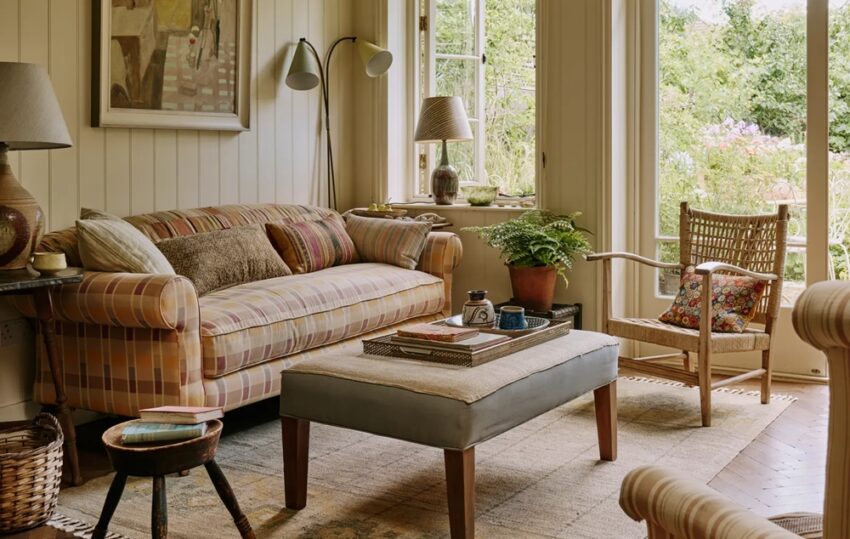
In interior design, the most transformative details are not always the most obvious. While attention tends to gravitate toward focal points, a fireplace, a statement sofa, a dining table, a dramatic artwork, the quieter edges of a room often play an equally important role in shaping atmosphere. Corners, in particular, are frequently overlooked, yet when treated with intention, they can completely alter the way a space feels.
A well-composed corner does more than fill an empty gap; it contributes to the visual rhythm and emotional balance of a room. These are often the spaces that sit directly within everyday sightlines, the view from a sofa, a bed, a reading chair, or even the first glance upon entering. When left unresolved, a corner can make a room feel unfinished or oddly disconnected. When thoughtfully arranged, however, it introduces warmth, cohesion, and a subtle sense of completion.
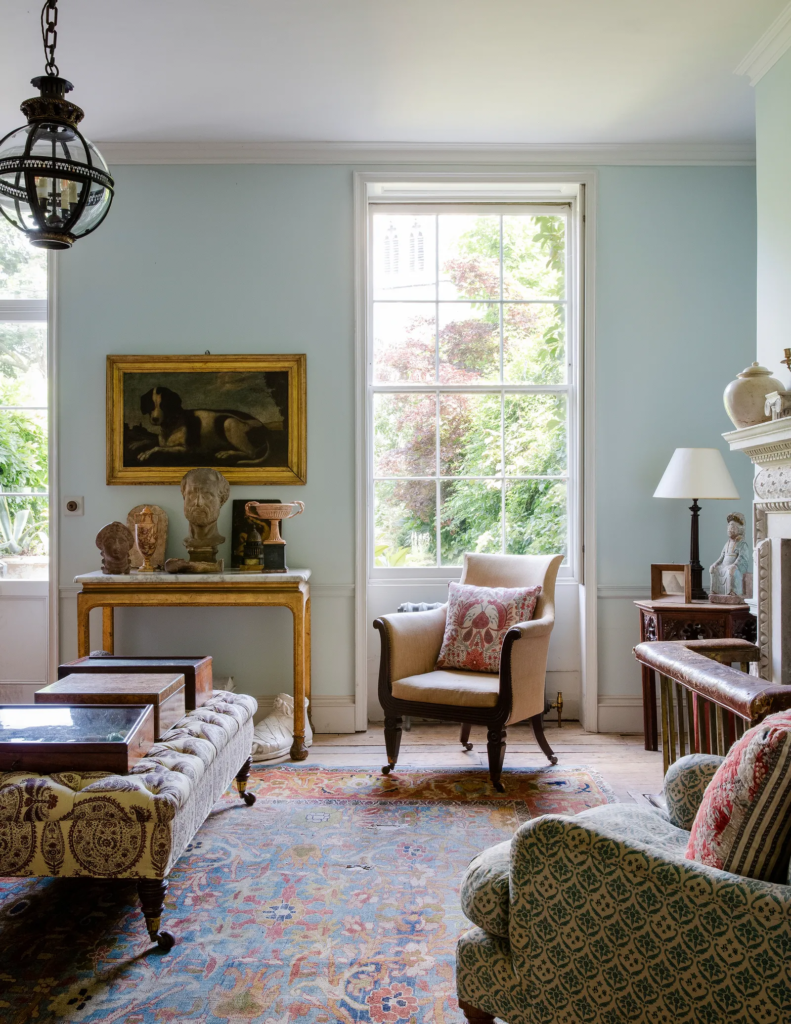
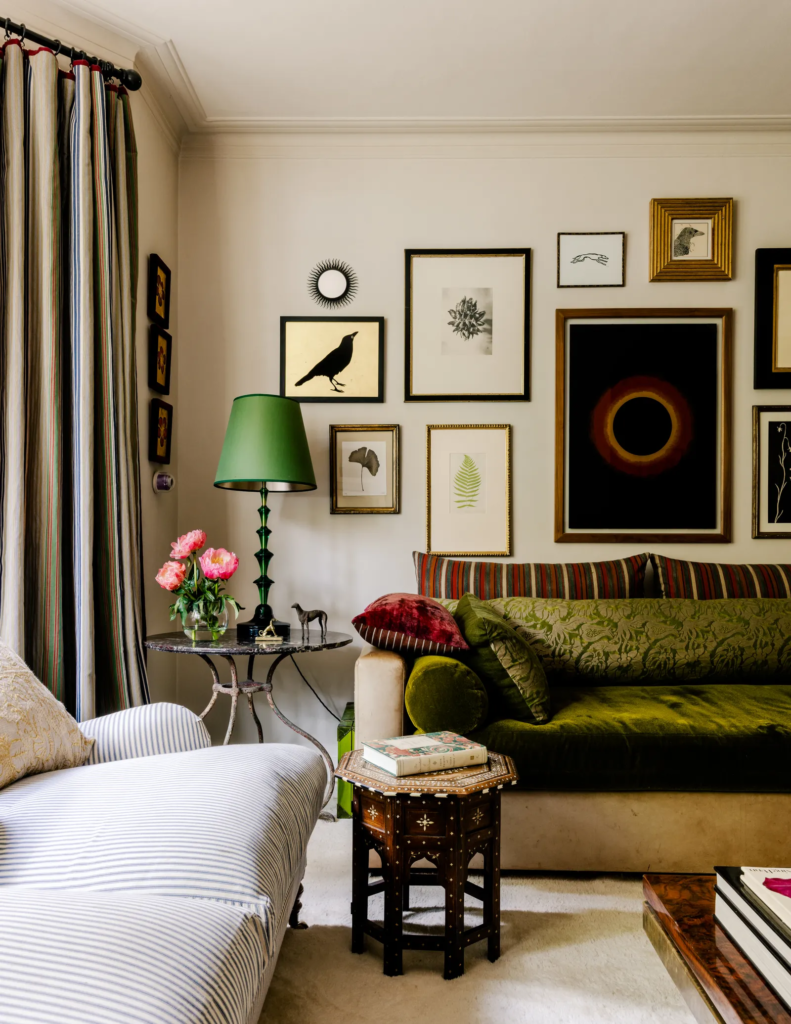
The most effective corners tend to balance function with atmosphere. This might take the form of an upholstered chair positioned at an angle, paired with a small side table, softened by a lamp, grounded by a cabinet, or finished with artwork that visually ties the composition together. The success of these arrangements often lies in layering, creating a relationship between foreground and background rather than treating the corner as a single decorative gesture.
That said, not every corner needs to become a fully orchestrated vignette. Part of creating a well-balanced interior lies in understanding variation. Some corners benefit from visual richness and intimate detail, while others are better left quieter, offering moments of pause within the overall composition. A decorative screen, a simple bench, a reading chair, or even an intentionally restrained negative space can be just as effective when handled thoughtfully.
Historically, interior design paid far closer attention to these subtleties. Traditional decorators understood that the arrangement of furniture was not simply about practicality, but about creating intimacy, flow, and a lived sense of ease. Corners often became natural sites for smaller seating groups, intimate reading spots, or personal displays that softened larger rooms and encouraged more informal ways of inhabiting space.
Some of the most compelling corners are not designed all at once, but assembled gradually over time. A chair accumulated with familiar books, a small inherited table, a favorite lamp, ceramics collected over years, personal objects carrying memory, these quieter arrangements often feel the most authentic because they reflect the rhythms of real life rather than decorative performance.
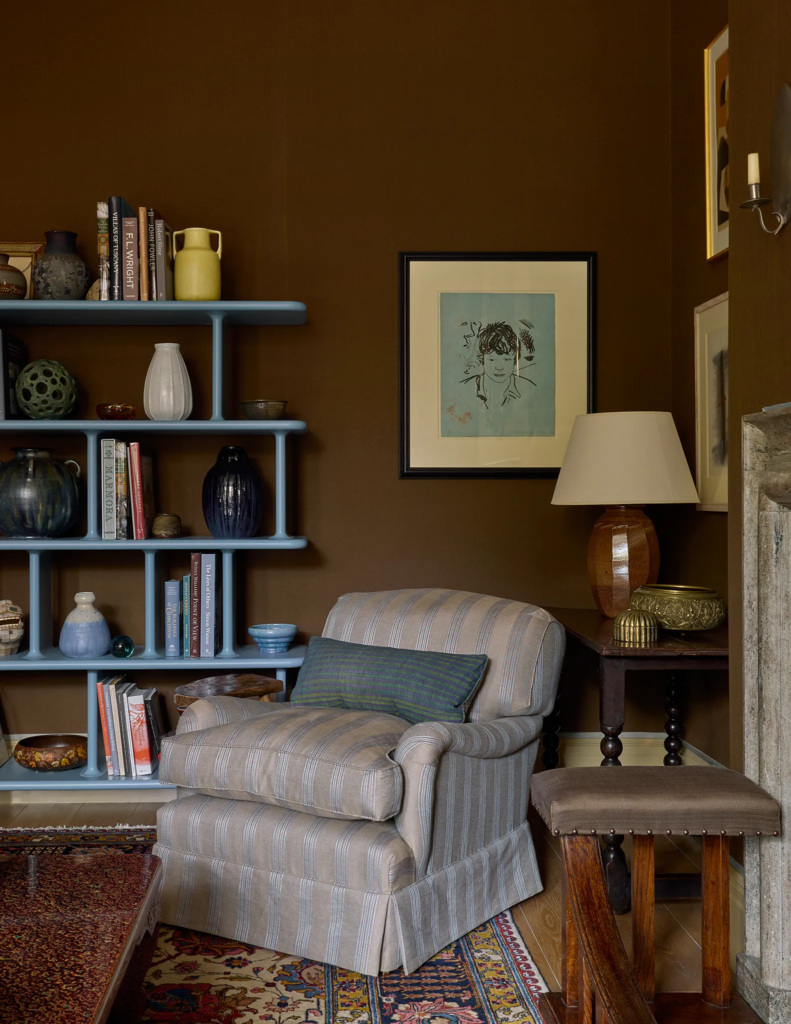
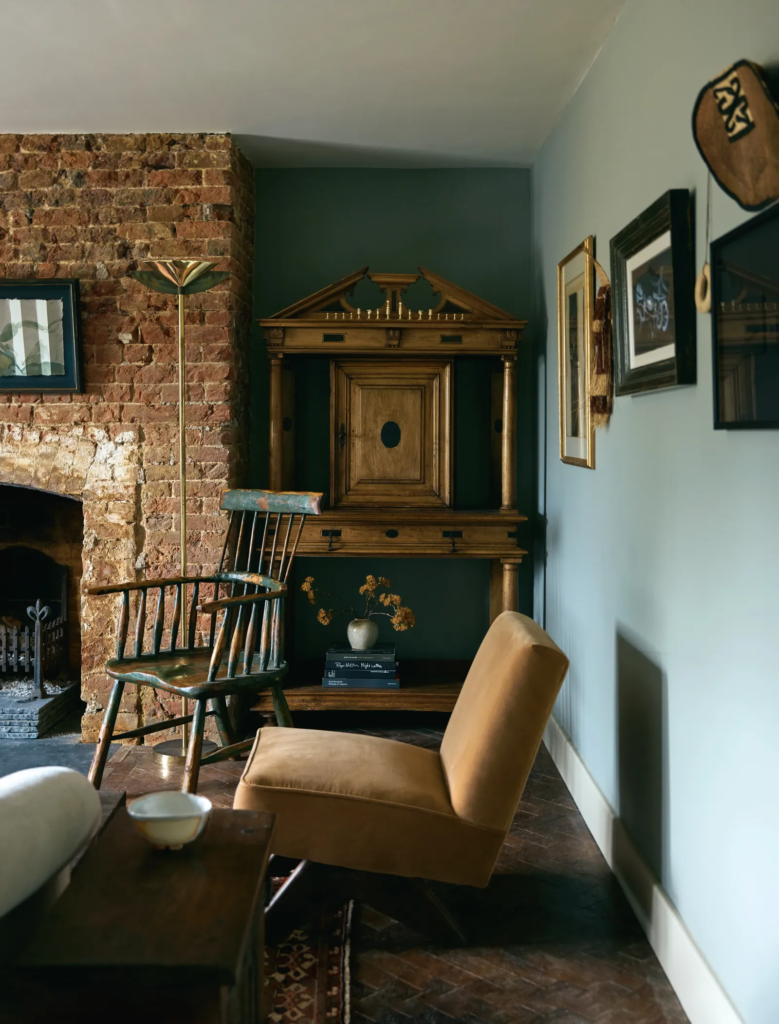
Ultimately, corners reveal how intentional an interior truly is. They are where design becomes less about statement-making and more about atmosphere, comfort, and emotional texture. Not every corner needs to be filled, but every corner deserves consideration. Often, it is these seemingly peripheral spaces that determine whether a room simply looks finished, or genuinely feels alive.
Cover photo: (c) Christopher Horwood