
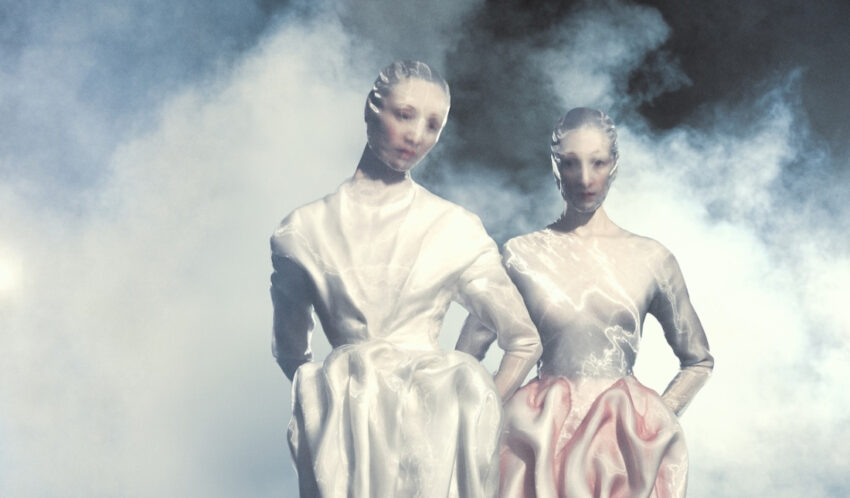
For its first runway presentation in China, Maison Margiela unveiled a Fall/Winter 2026 collection built around transformation, memory, and material reinvention. Combining ready-to-wear with Artisanal creations, the presentation revisited one of the house’s foundational formats while expanding its long-standing exploration of deconstruction, anonymity, and experimental craftsmanship.
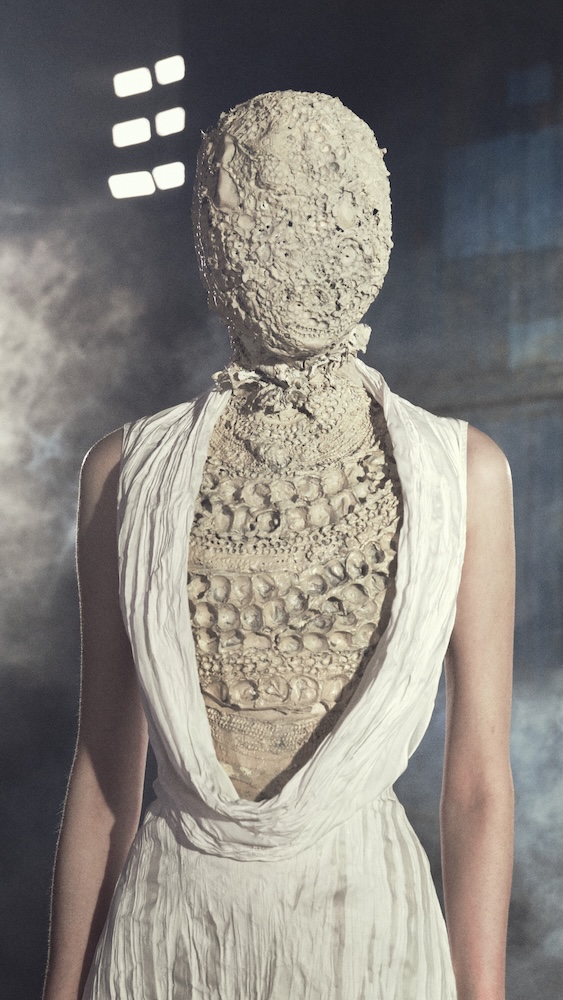
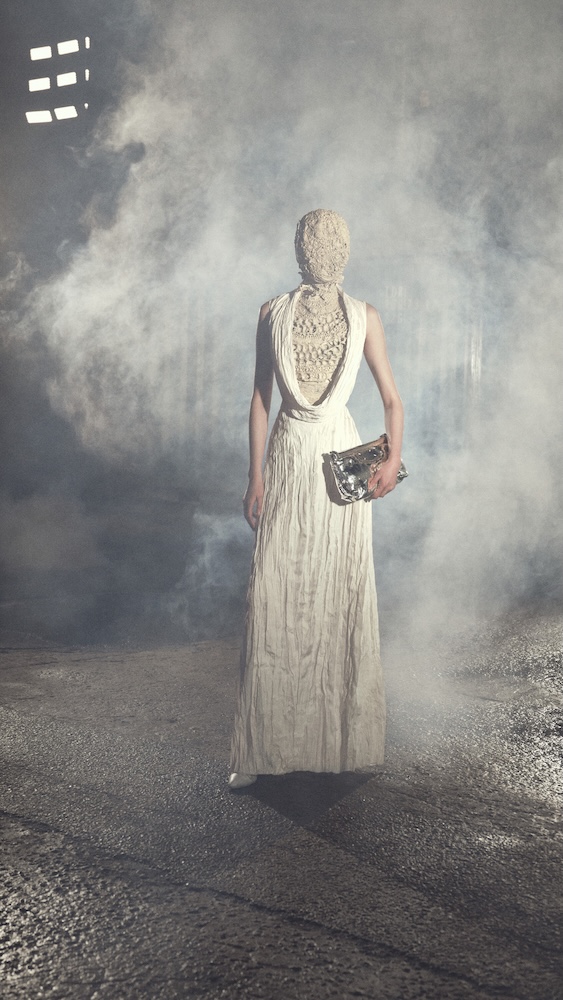
The collection unfolded like an excavation of forgotten histories, where discarded garments, antique objects, and fragile materials were not simply referenced but entirely reconfigured. At its core was the idea of transformation, garments dismantled and reconstructed, surfaces altered beyond recognition, and materials pushed far beyond their expected function. The past remained present throughout, but never in nostalgic form. Instead, it was continuously reshaped through labor-intensive acts of reinterpretation.
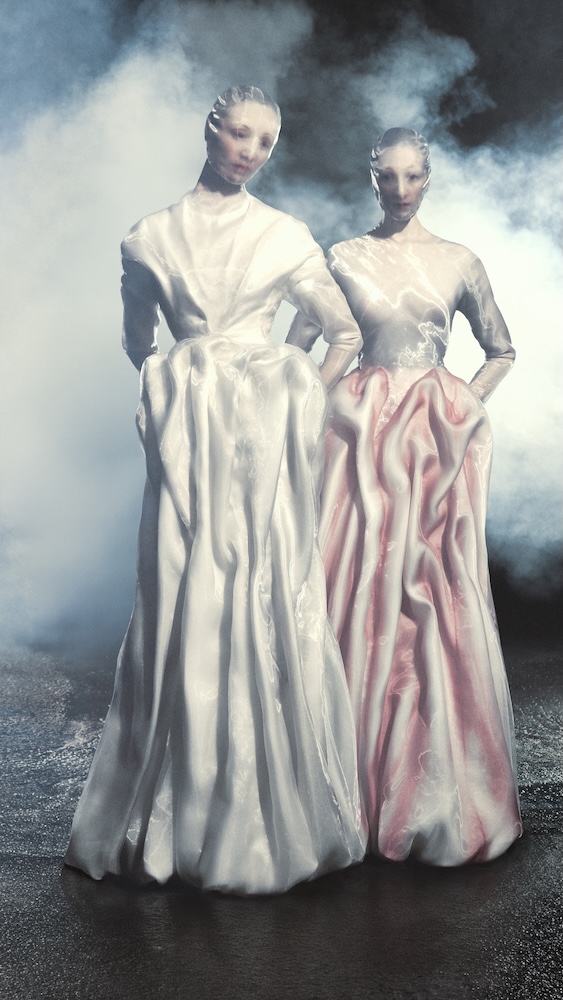
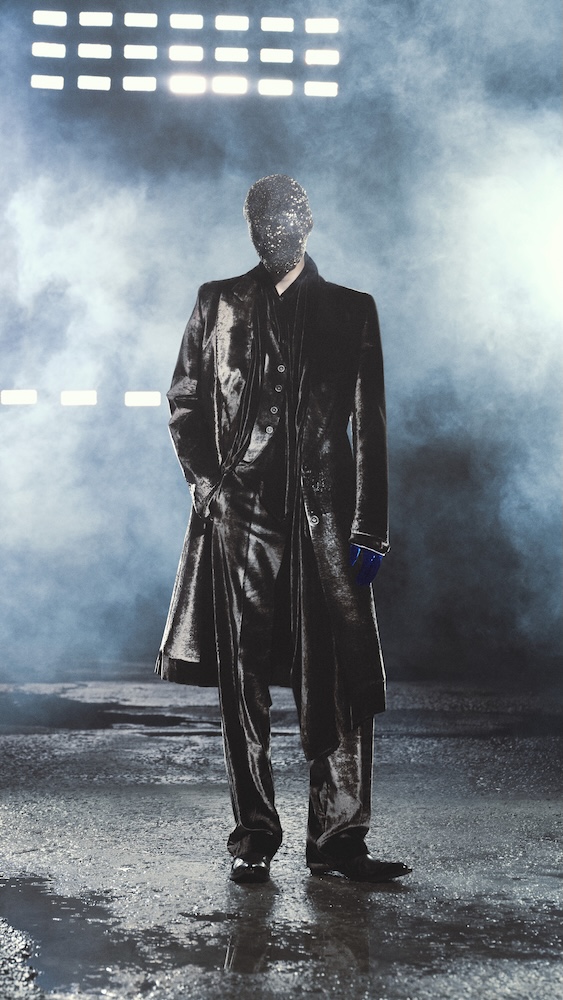
A particularly striking dialogue emerged through the use of porcelain, a material deeply embedded in Chinese cultural history. Rather than treating porcelain as decorative symbolism, the house translated its qualities of fragility, gloss, and fracture directly into the garments themselves. Layers of printed organza created surfaces resembling glazed ceramic, while garments constructed from individually fired ceramic shards introduced an almost sculptural tension between delicacy and hardness. These looks transformed the body into something hovering between artifact and living form.
The collection also explored clothing as a carrier of memory. Vintage garments deemed too fragile to wear were fused onto new structures, only to be removed again, leaving behind ghostly impressions of their previous existence. What remained were traces rather than originals, silhouettes shaped by absence, where the memory of the garment became more significant than the garment itself. This process extended into antique textiles, threadbare tapestries, and found materials sourced from flea markets, all meticulously restored and incorporated into couture-level constructions.
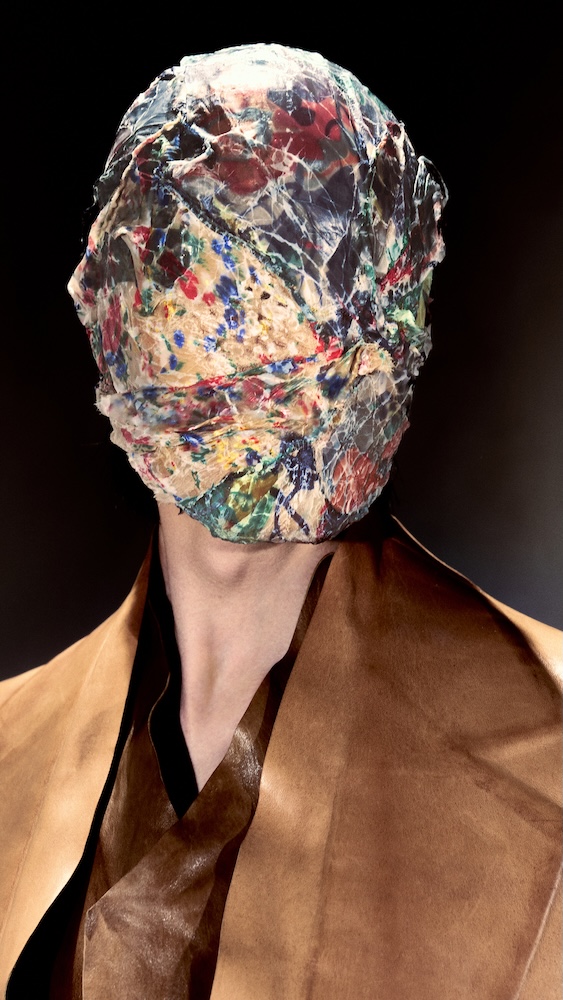
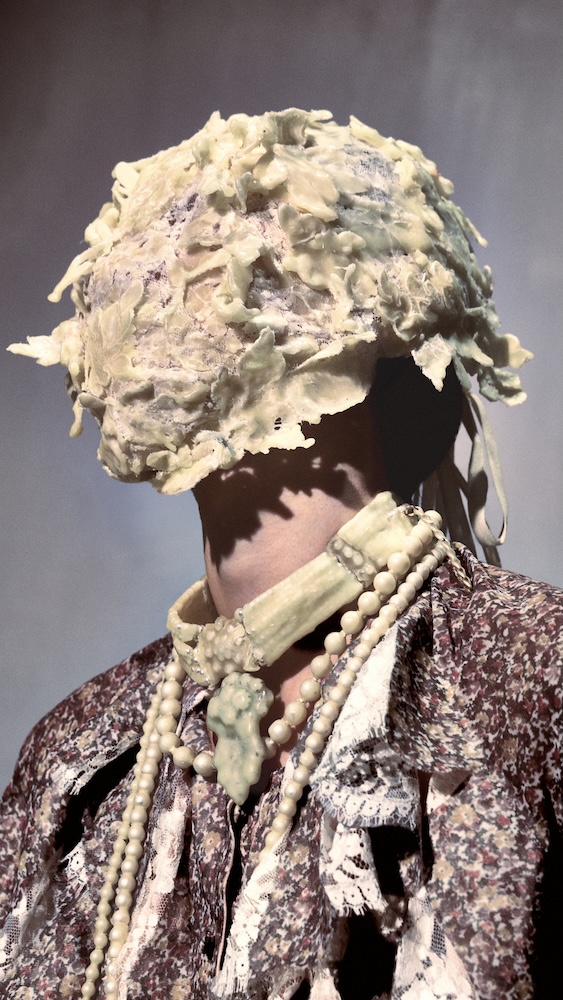
Historical references surfaced through elongated Edwardian silhouettes, structured tailoring, and ornate detailing, but these forms were consistently disrupted through Maison Margiela’s signature interventions. Traditional garments were bonded with second-skin jersey constructions, rigid upholstery fabrics were manipulated into apparent fluidity, and tailoring became a site of hybrid experimentation where classic structure collided with softness and movement.
Surface treatment played an equally central role. The house’s iconic bianchetto technique returned in evolved forms, with garments coated, cracked, baked, and layered to evoke erosion, age, or preservation. Latex, wax, gilded finishes, and raised relief effects transformed fabric into something closer to artifact than apparel, reinforcing the collection’s interest in time as a material force.
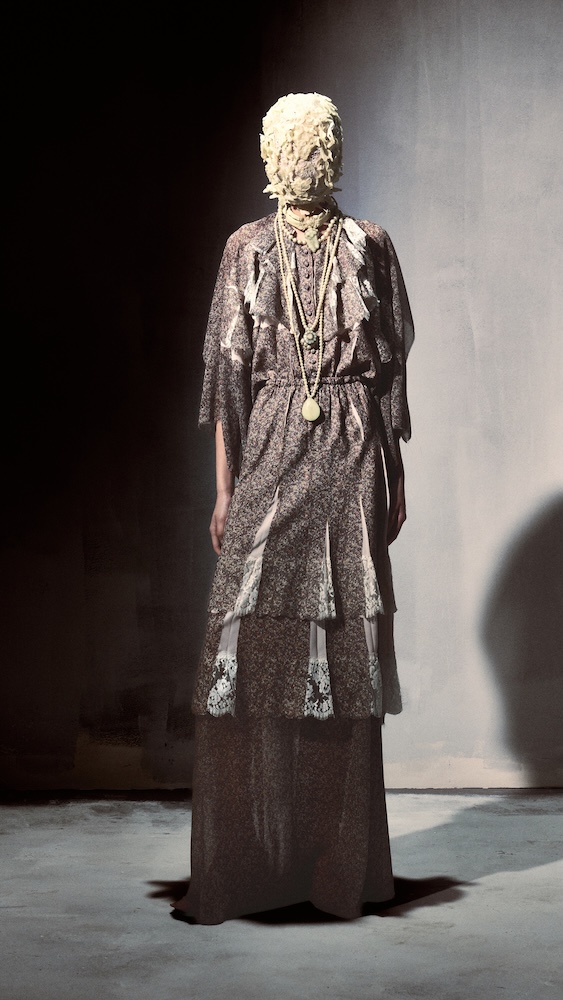
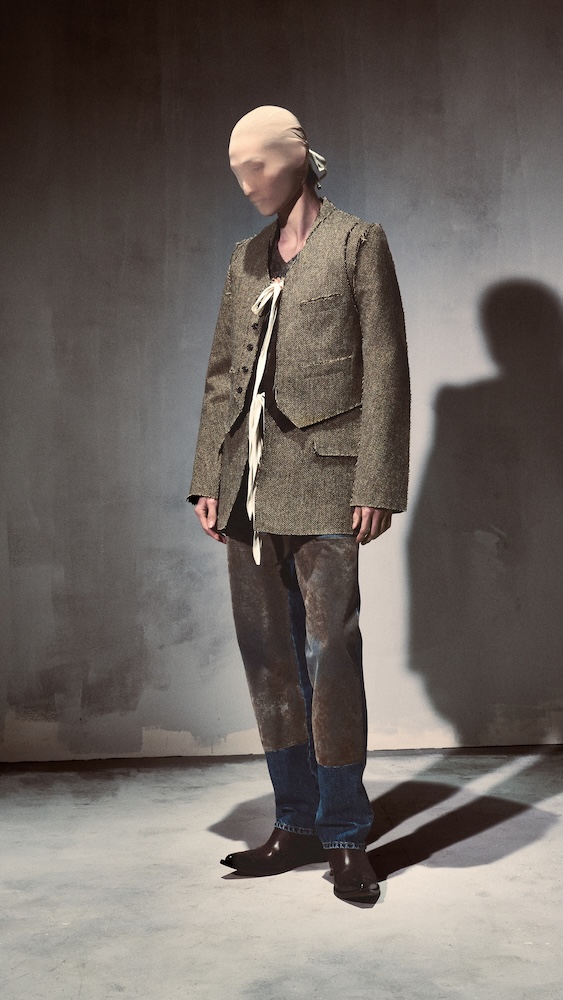
Masks completed every look, preserving the anonymity that has long defined the Maison’s visual language. Rather than centering individual identity, the presentation directed attention entirely toward construction, material, and silhouette, allowing the collection to function as a cohesive meditation rather than a series of isolated looks.
Ultimately, the Fall/Winter 2026 collection positioned fashion as a process of recovery and reinvention. Through acts of deconstruction, preservation, and radical transformation, Maison Margiela turned discarded histories into contemporary form, proposing clothing not simply as adornment, but as a living archive shaped by memory, craft, and imagination.
Styling: Ursina Gysi
Casting: Denise Hu
Make up: Xin Miao Chen
Hair: Xu Youhua
Nails: Beata Xu
Scenography: OMA
Sound design: Senjan Jansen
Production: La Mode en Images
More about Maison Margiela on:
Website
Instagram
Photo / Video: (c) courtesy of Maison Margiela