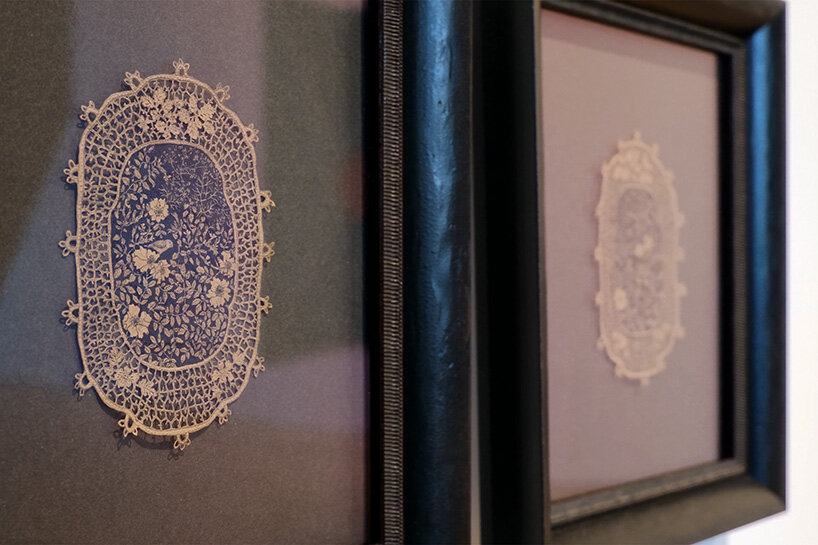
The work of Jasmin Sian begins not in the formal confines of a studio, but in overlooked corners of the natural world, among weeds pushing through pavement, clusters of wildflowers, and the quiet activity of small animals often ignored in daily life. Her practice is rooted in close observation, transforming fleeting encounters with modest forms of life into intricate works that feel at once delicate, intimate, and quietly monumental.
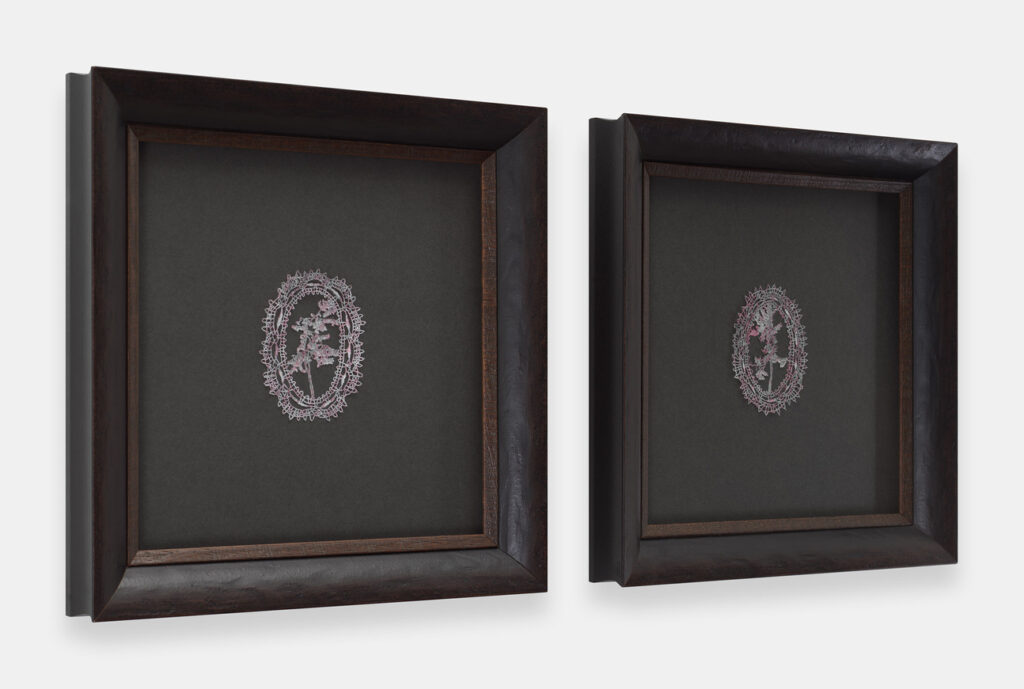
Recently included in the Whitney Biennial, Sian has developed a visual language that combines drawing, painting, and painstaking paper cutting, often working with the most ordinary of materials: discarded deli bags. What might otherwise be considered waste becomes the foundation for remarkably detailed compositions built through gouache, graphite, lacquer ink, and hand-cut interventions executed with extraordinary precision.
The material itself plays an essential role in the work. Rather than treating paper as a neutral support, Sian responds to its physical qualities, wrinkles, folds, translucency, texture, allowing the imperfections of the surface to guide composition. Creases become directional lines, structural cues, or natural boundaries, transforming found material into something almost topographical.
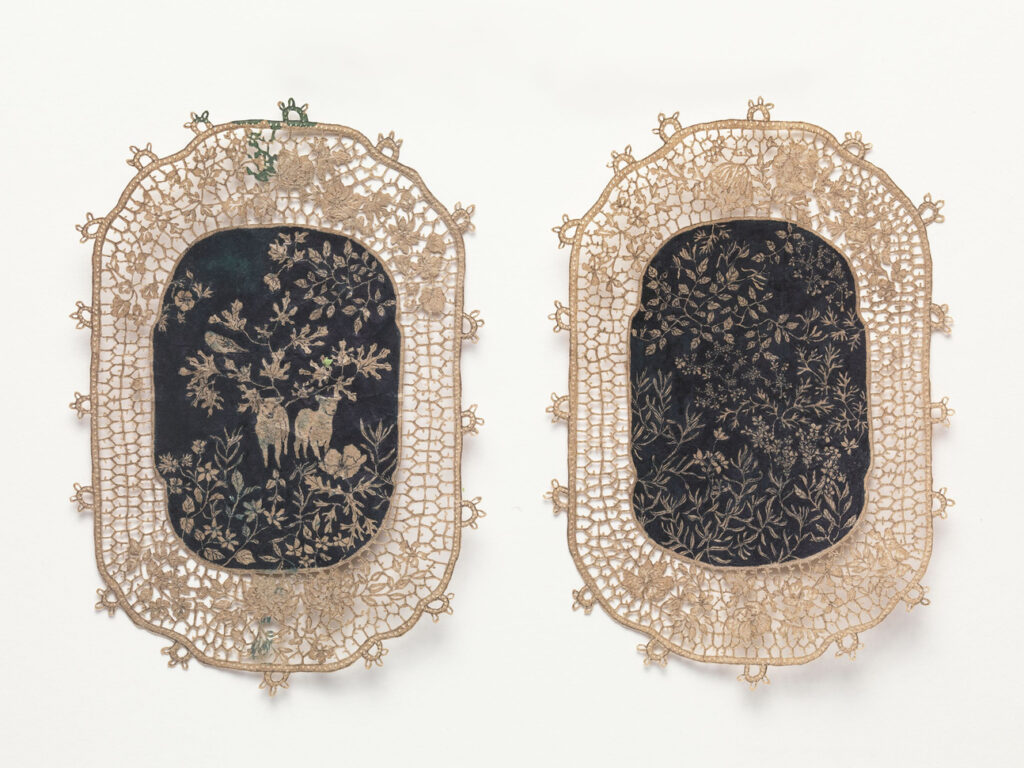
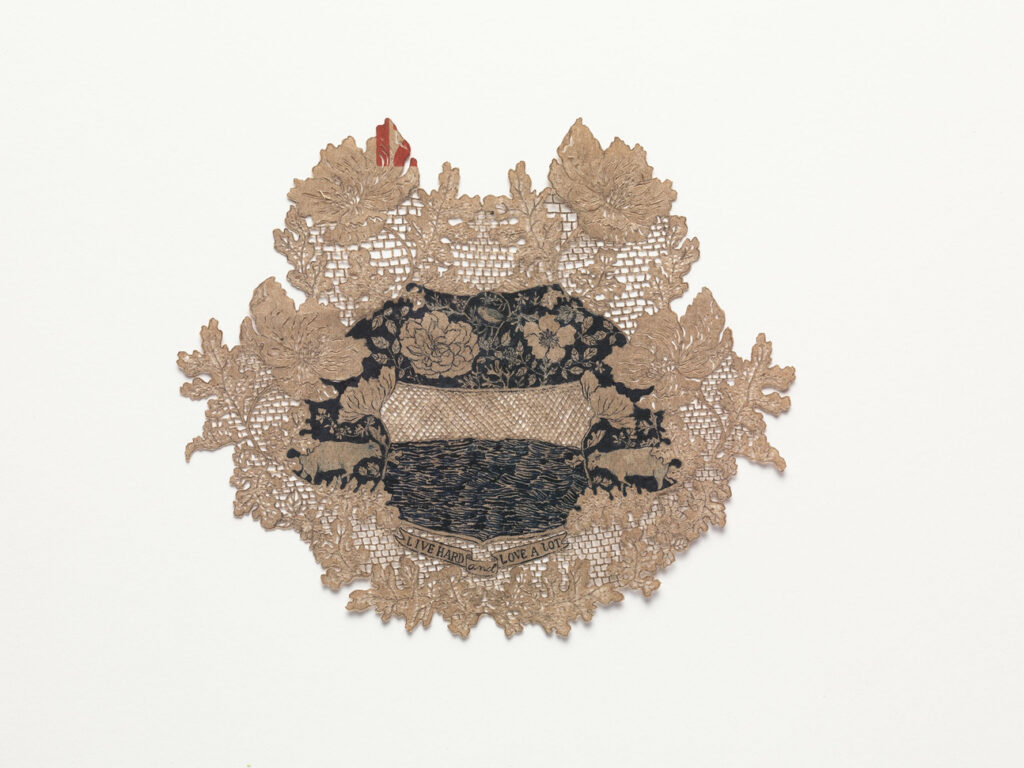
Her imagery is deeply informed by the act of looking closely. Plants, flowers, weeds, birds, and small animals appear not as decorative motifs, but as subjects worthy of sustained attention. There is no attempt to idealize nature into something overly romantic; instead, the work embraces its strangeness, fragility, and complexity. A flower’s asymmetry, the positioning of leaves, the peculiar architecture of a plant stem, these details become starting points for compositions that feel both observational and imagined.
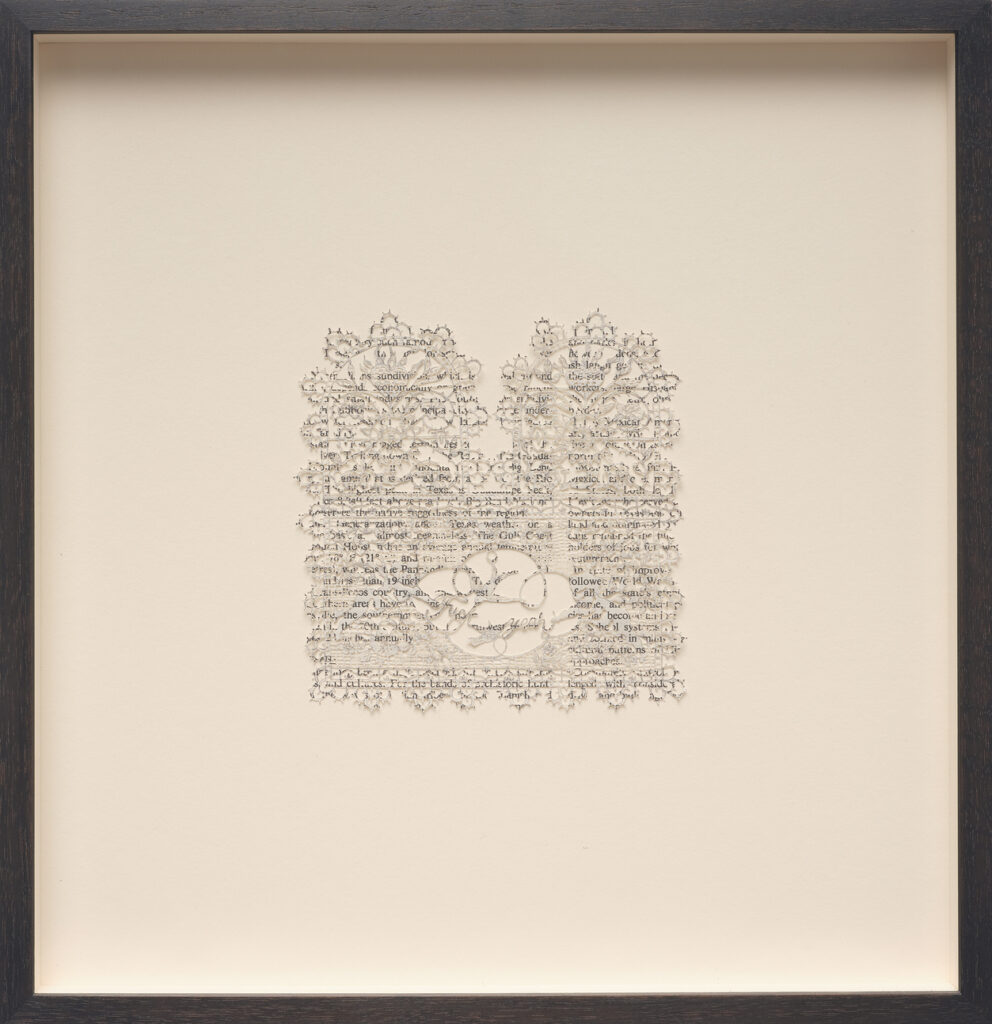
The resulting works often exist at an intimate scale, drawing the viewer physically closer. Their small dimensions demand attentiveness, rewarding close inspection with extraordinary density of detail. Intricate cut-paper borders evoke lace, protective enclosures, or miniature habitats, framing living subjects in ways that suggest both reverence and shelter. Some compositions feel memorial-like, others almost architectural, as though constructing delicate sanctuaries for lives typically overlooked.
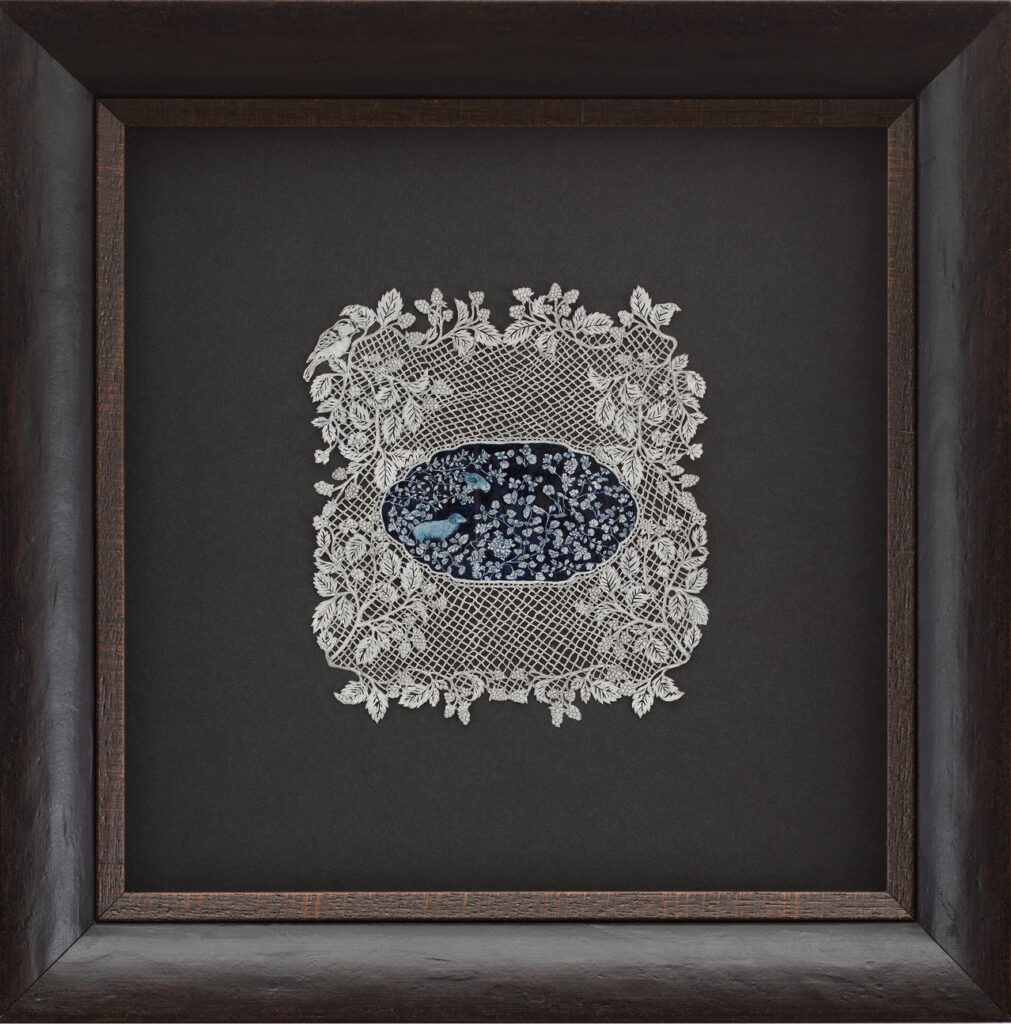
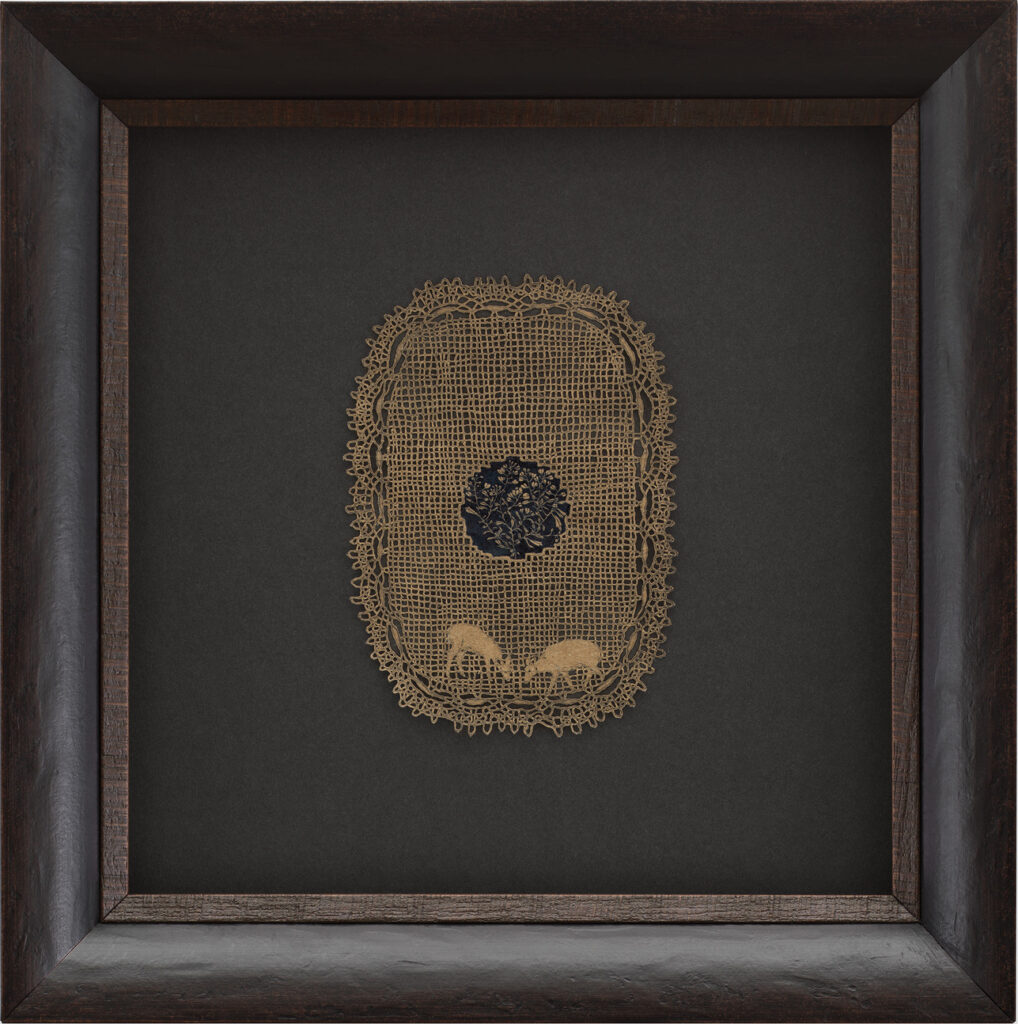
Sian’s process unfolds gradually, moving between graphite sketches, painted passages, ink interventions, and eventual cutwork. Rather than imposing a rigid structure from the outset, the compositions emerge through accumulation, intuition, and response to the evolving material. The process carries a sense of patience and trust, allowing forms to reveal themselves over time rather than being immediately resolved.
Beneath the formal delicacy lies a deeper ethical dimension. Sian’s work reflects an attentiveness to the world that feels both aesthetic and moral, a quiet insistence that even the smallest forms of life deserve notice, care, and representation. Her art does not seek grand declarations, but something subtler: to create moments of reflection, wonder, and emotional recognition through acts of close looking.
In elevating weeds, scraps, and tiny creatures into carefully crafted compositions, Jasmin Sian reminds us that significance is not always tied to scale. Sometimes the most powerful acts of attention begin precisely where most people fail to look.
More about Jasmin Sian on:
Website
Photo: (c) Designboom