
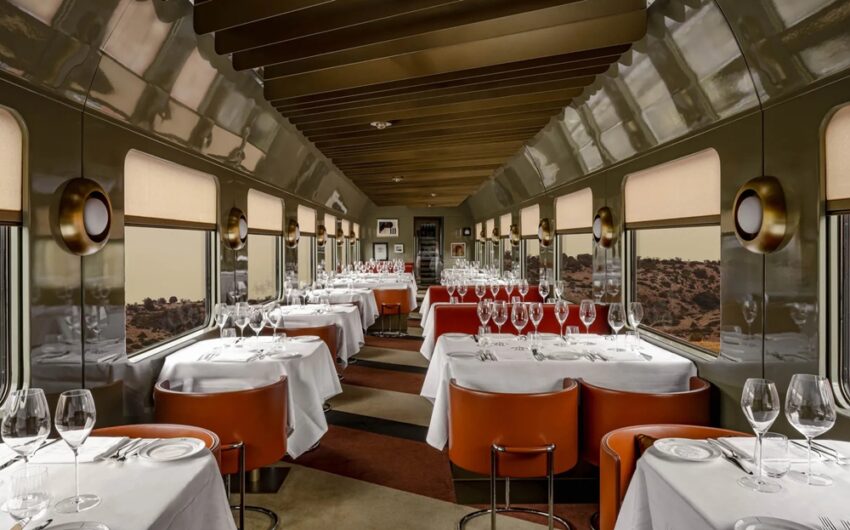
The legendary Orient Express returns in a distinctly Italian form with La Dolce Vita, a new luxury sleeper experience that reimagines one of travel’s most iconic names through the lens of mid-century glamour, contemporary hospitality, and immersive regional discovery. More than a nostalgic revival, the project introduces Italy’s first luxury sleeper train, transforming restored carriages into a rolling expression of design, gastronomy, and cinematic escapism.
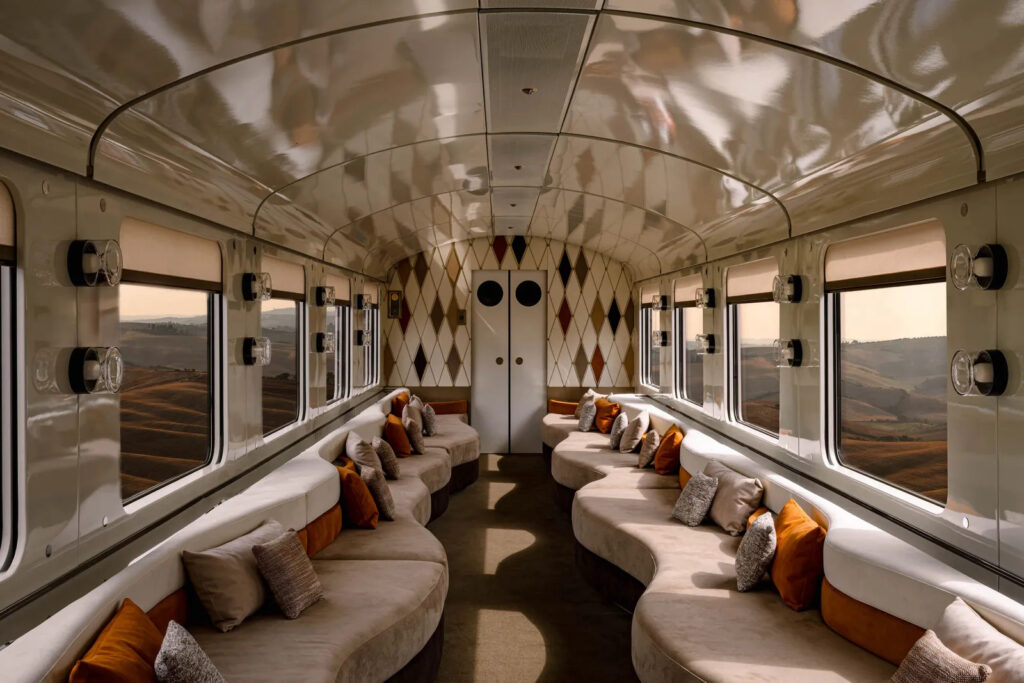
Originally launched in the late 19th century, the Orient Express long occupied a mythic place in cultural imagination, associated with old-world intrigue, literary romance, and aristocratic travel. This new chapter, developed through a collaboration between Accor, LVMH, and Italian hospitality company Arsenale Group, shifts that mythology toward the golden age of Italian sophistication. Named after Federico Fellini’s La Dolce Vita, the experience embraces the spirit of 1960s glamour while grounding it in contemporary comfort and design precision.
Departing from Rome, the train operates a series of itineraries through destinations including Tuscany, Venice, Sicily, and the Amalfi Coast, with each journey combining onboard hospitality with curated off-train experiences that extend beyond predictable tourist routes. The train itself consists of 12 meticulously restored carriages housing suites, deluxe cabins, lounge spaces, a bar, and a fine dining restaurant, all conceived as part of a seamless hospitality environment rather than conventional rail travel.
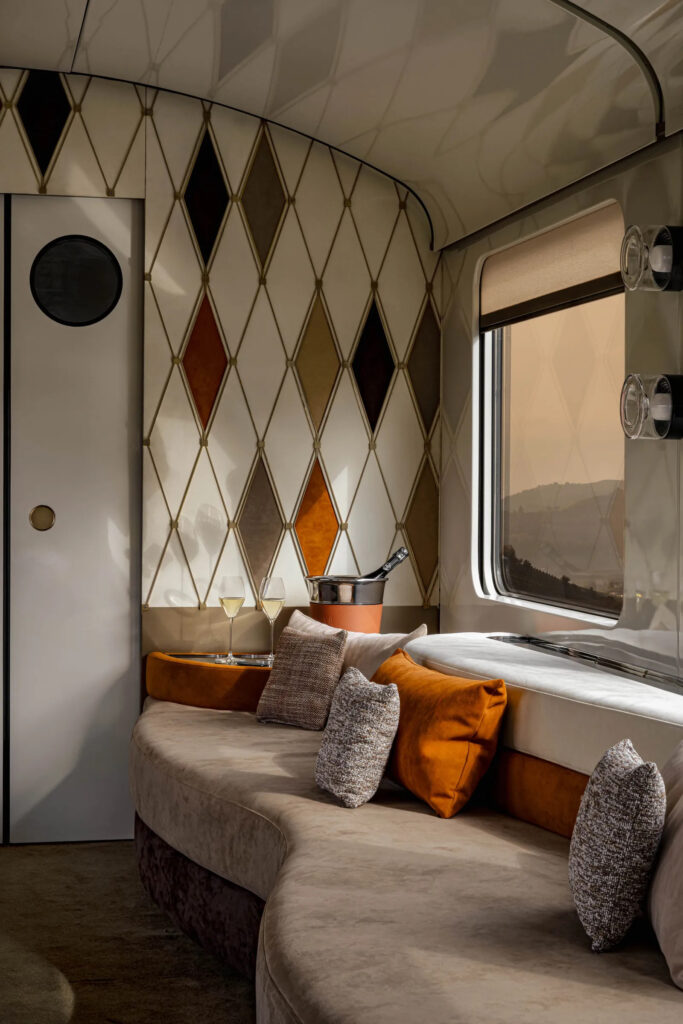
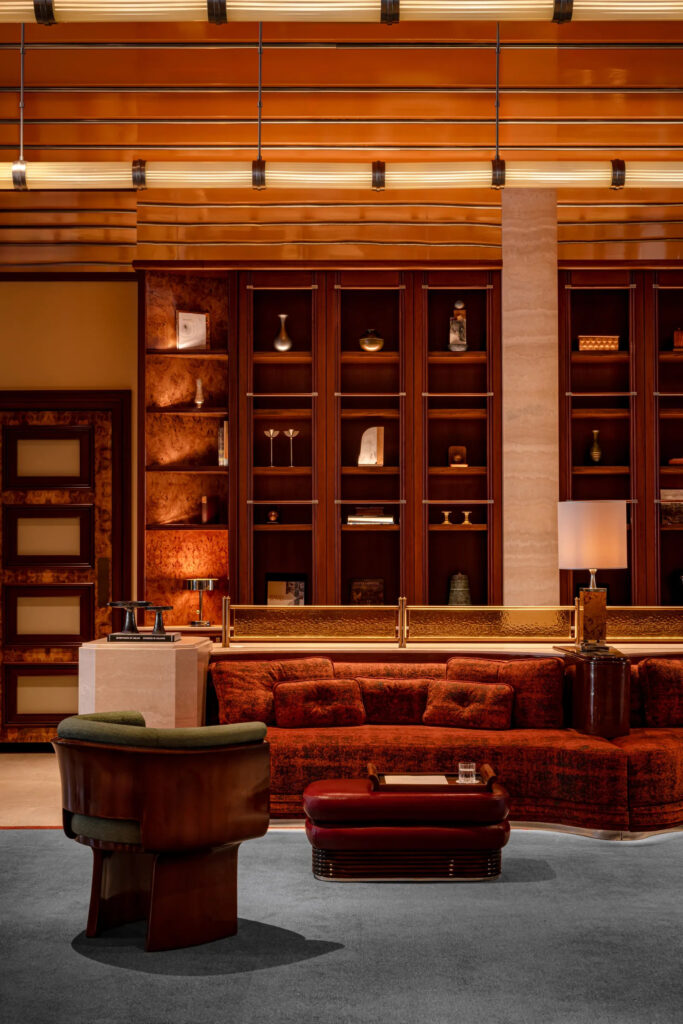
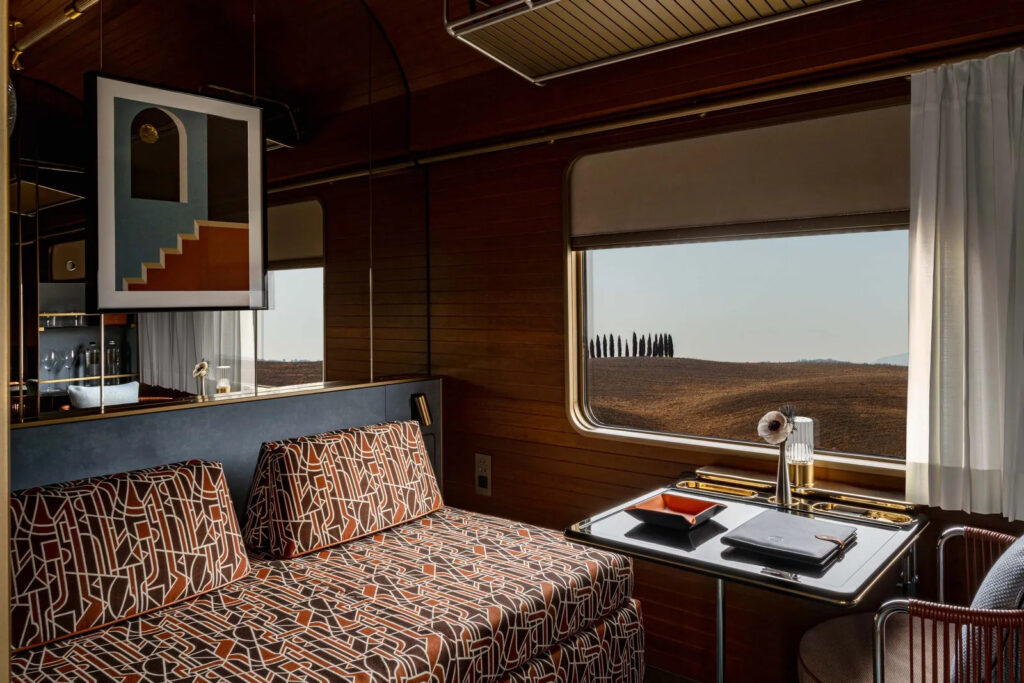
Interior design by Milan-based Dimorestudio defines the atmosphere, drawing from Italian mid-century aesthetics with subtle references to 1960s cinematic culture. Burnt orange accents, lacquered finishes, rich textures, and geometric detailing create an environment that feels simultaneously nostalgic and contemporary. Cabins prioritize intimacy without sacrificing comfort, with private en-suite bathrooms, custom furnishings, and expansive windows that transform the passing landscape into part of the design experience itself.
The journey begins even before boarding, with a dedicated departure lounge at Rome’s Ostiense Station designed by architect Hugo Toro. Conceived more like a boutique hospitality destination than a railway terminal, the space sets the tone through attentive service, curated interiors, and a distinctly cinematic sense of anticipation.
Onboard, the culinary program elevates the experience further. Menus are shaped by regional itineraries and developed by Heinz Beck, whose Michelin-starred sensibility translates surprisingly seamlessly into the constraints of rail travel. Seasonal Italian ingredients, multi-course dining, curated wine pairings, and cocktail service position gastronomy as a central pillar of the journey rather than an accessory.
The off-train experiences are equally deliberate, offering access to private estates, vineyards, cultural sites, and lesser-known regional destinations rather than standard sightseeing excursions. These moments reinforce the project’s larger ambition: to position slow travel not simply as transportation, but as a layered cultural experience.
Evenings shift toward a more social atmosphere, with live music, lounge performances, and intimate communal spaces that encourage interaction among guests, recalling the social rituals once associated with luxury rail travel. Yet beneath the glamour lies remarkable operational precision, with a substantial onboard staff ensuring the illusion of effortless elegance remains intact throughout.
La Dolce Vita succeeds because it avoids becoming a museum piece. Rather than recreating historical luxury as nostalgia, it translates the romance of the original Orient Express into a contemporary Italian narrative, one built around design, gastronomy, craftsmanship, and the enduring appeal of slow, theatrical travel.
More about La Dolce Vita Orient Express on:
Website
Instagram
Photo: (c) Mr. Tripper
Video: (c) courtesy of La Dolce Vita Orient Express