
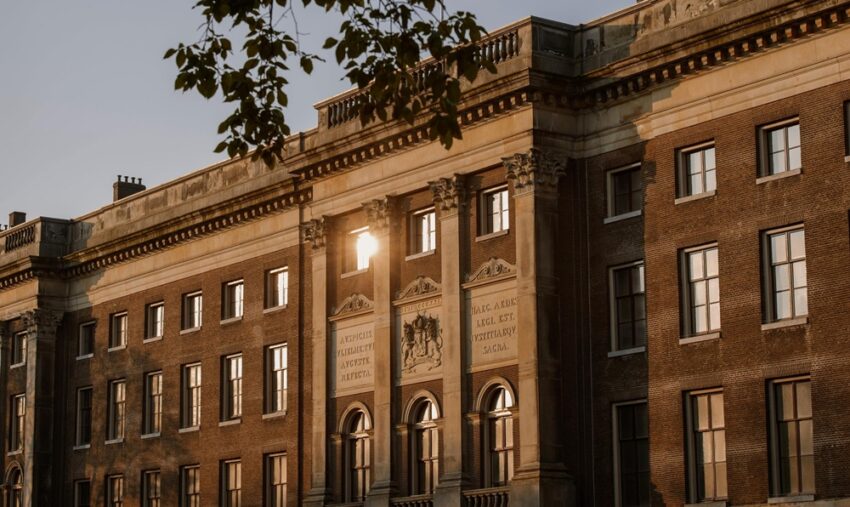
Set along Amsterdam’s historic Prinsengracht canal, Rosewood Amsterdam represents one of the city’s most ambitious hospitality transformations in recent years. More than a hotel opening, the project marks the culmination of a decade-long restoration that reimagined a landmark building with centuries of layered history.
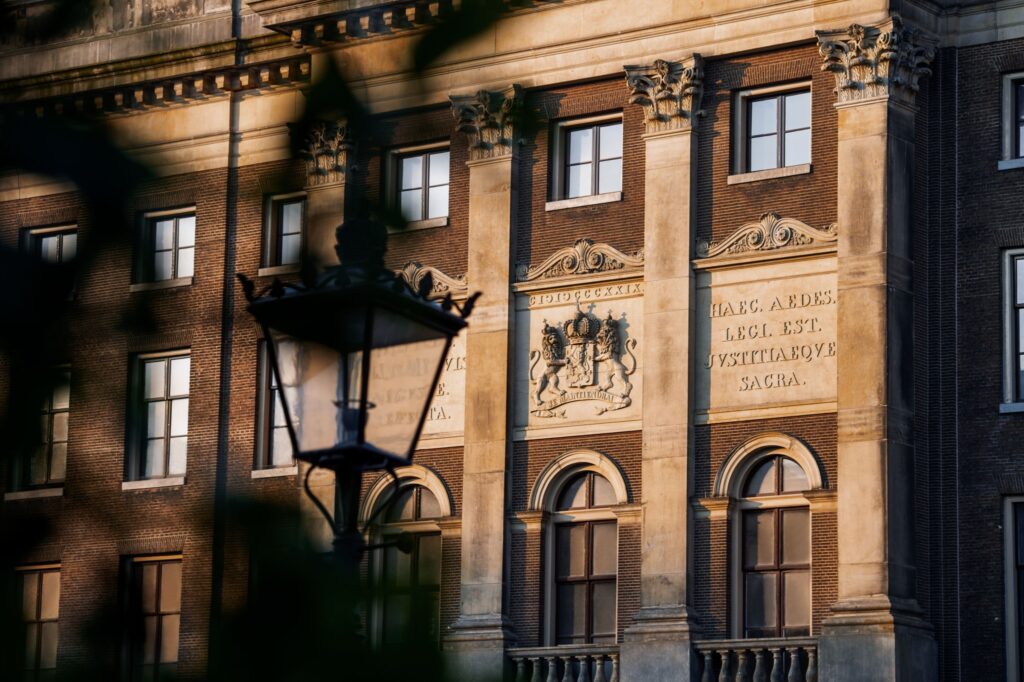
Originally constructed in 1665 as an orphanage before later serving as the city’s Palace of Justice, the property has been carefully reinterpreted as a contemporary luxury destination where heritage, design, art, and hospitality intersect.
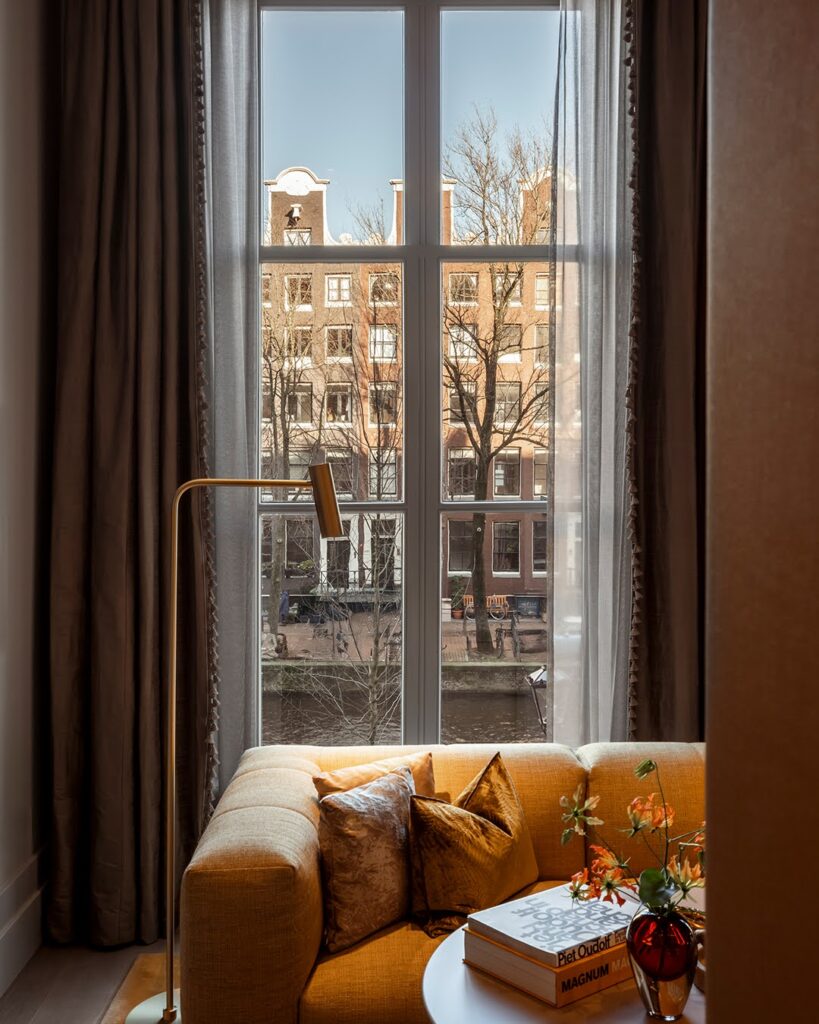
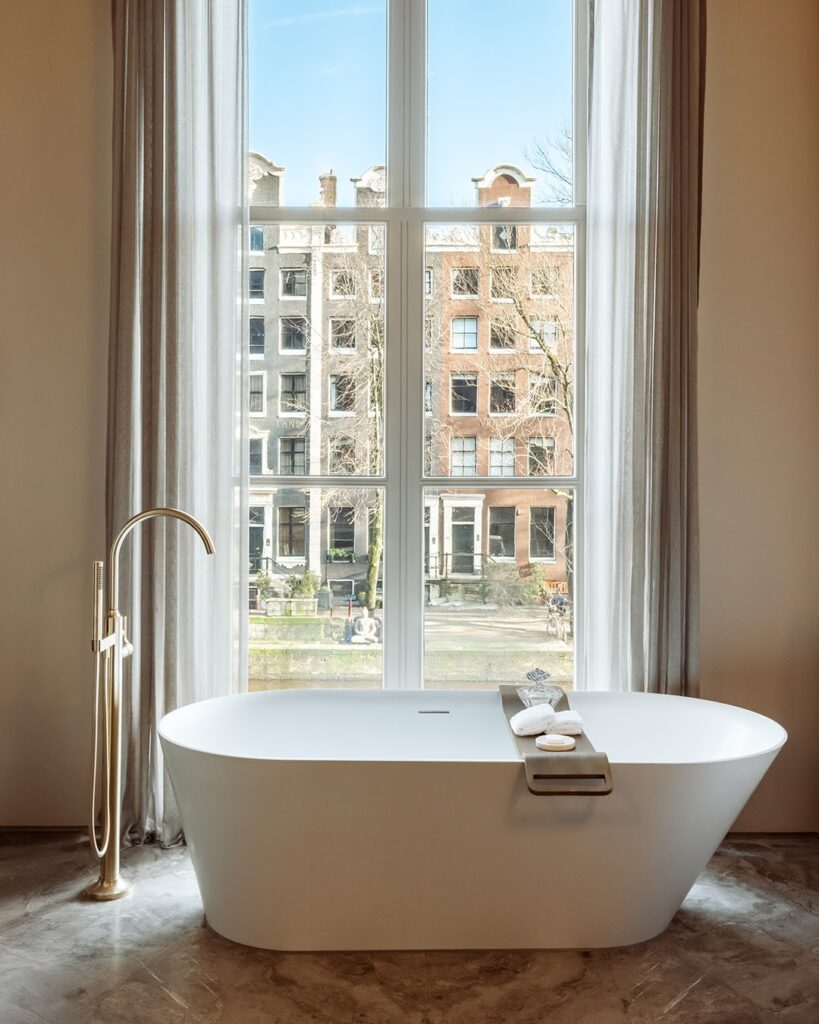
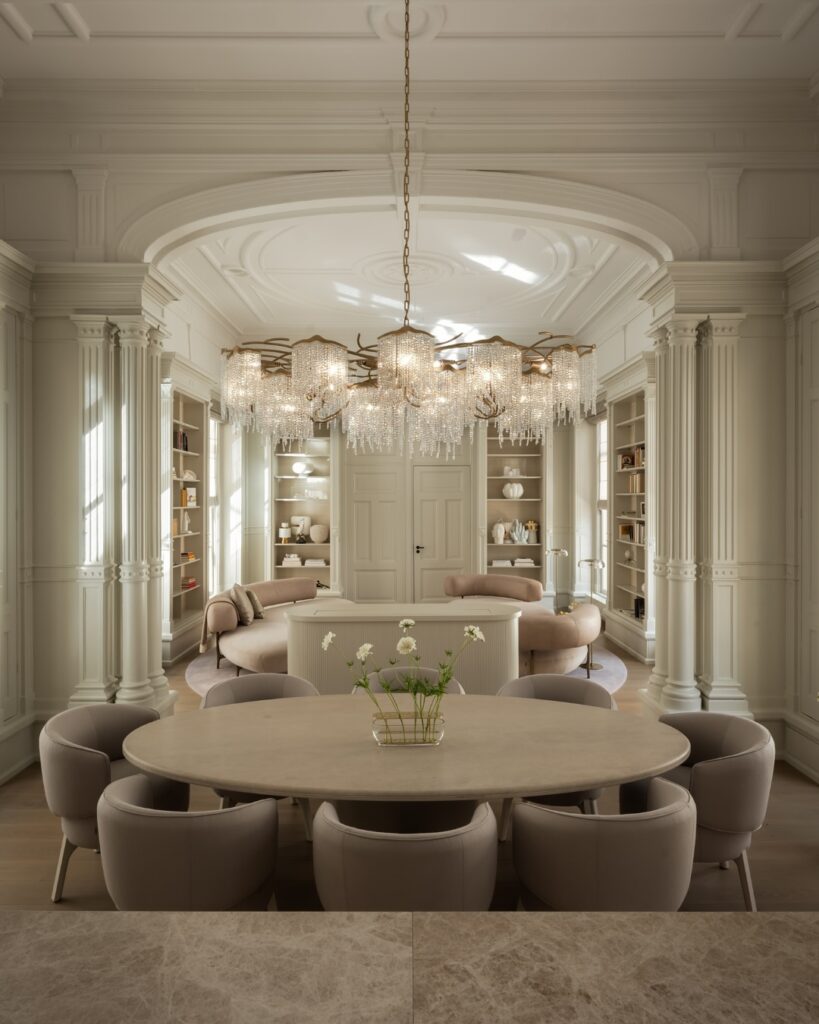
The building’s stately neoclassical façade, introduced in the 19th century by architect Jan de Greef, remains a defining presence along the canal, preserving the architectural gravitas of its past. Inside, however, the atmosphere shifts toward a more contemporary cultural sensibility.
The hotel has been conceived almost as a living gallery, integrating more than 1,000 artworks and commissioned pieces throughout its interiors. Installations by Dutch artists create moments of discovery across communal spaces, where art becomes part of the guest experience rather than mere decoration.
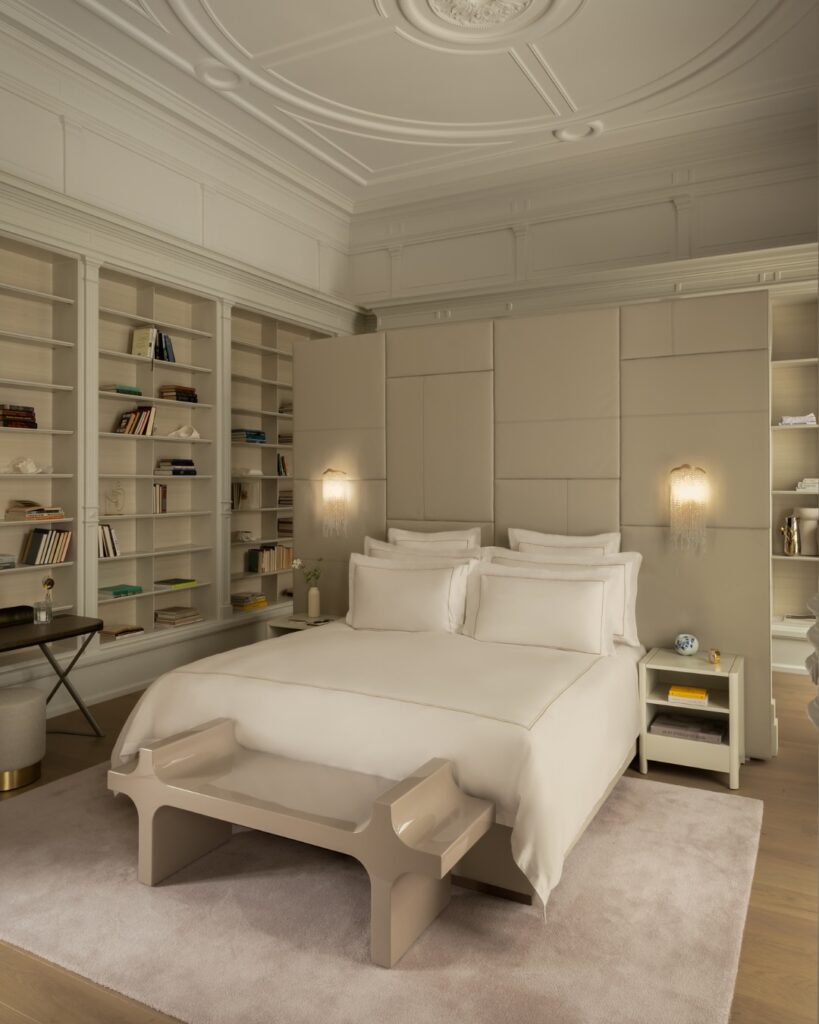
Interior design by Piet Boon carefully balances historic preservation with contemporary refinement. Original architectural features remain legible, while new interventions introduce a quieter modern luxury defined by natural materials, restrained color palettes, warm metallic accents, and tactile detailing.
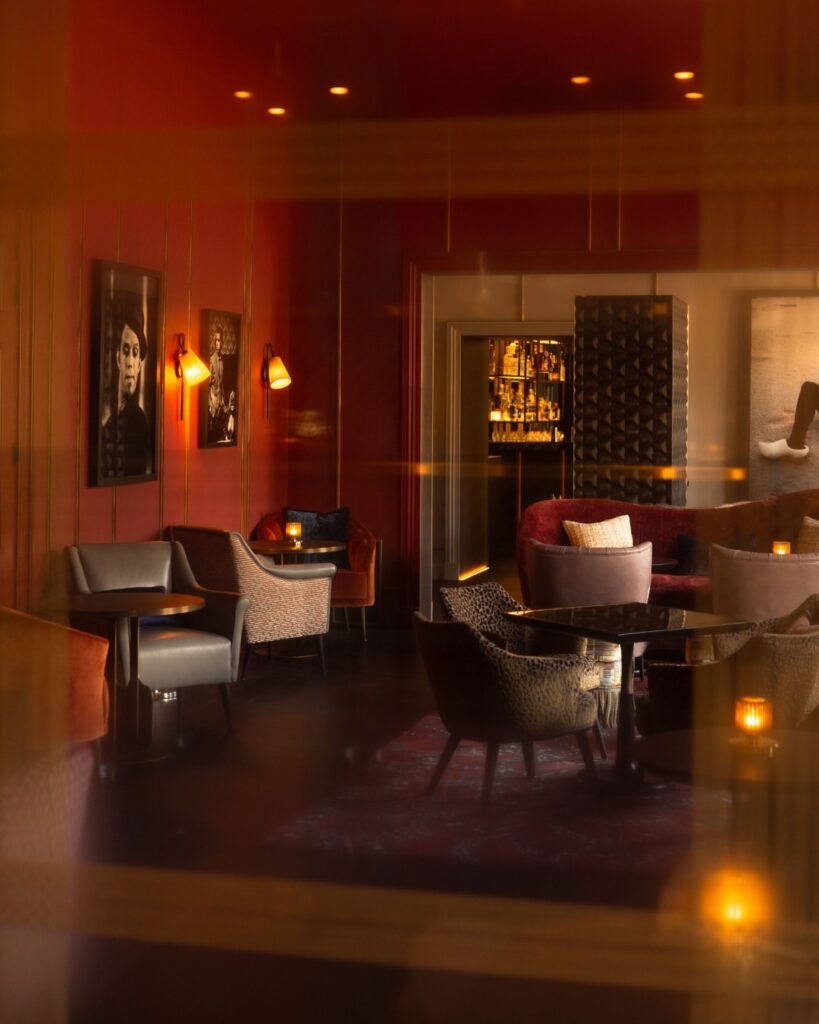
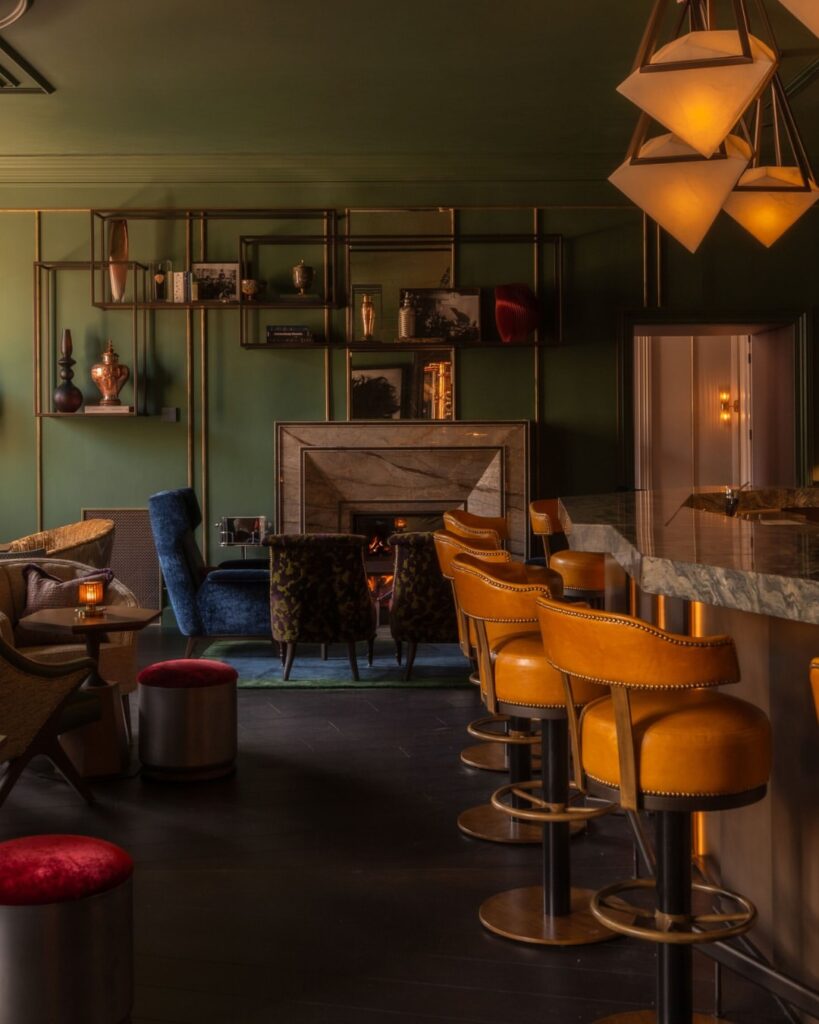
Across the hotel’s 134 rooms, suites, and private residences, the aesthetic avoids overt opulence in favor of calm sophistication, allowing the building’s character to remain central.
Landscape design also plays a significant role in shaping the atmosphere. A central courtyard garden conceived by Piet Oudolf introduces an unexpected sense of calm within the urban core, blending biodiversity, art, and contemplative outdoor space.
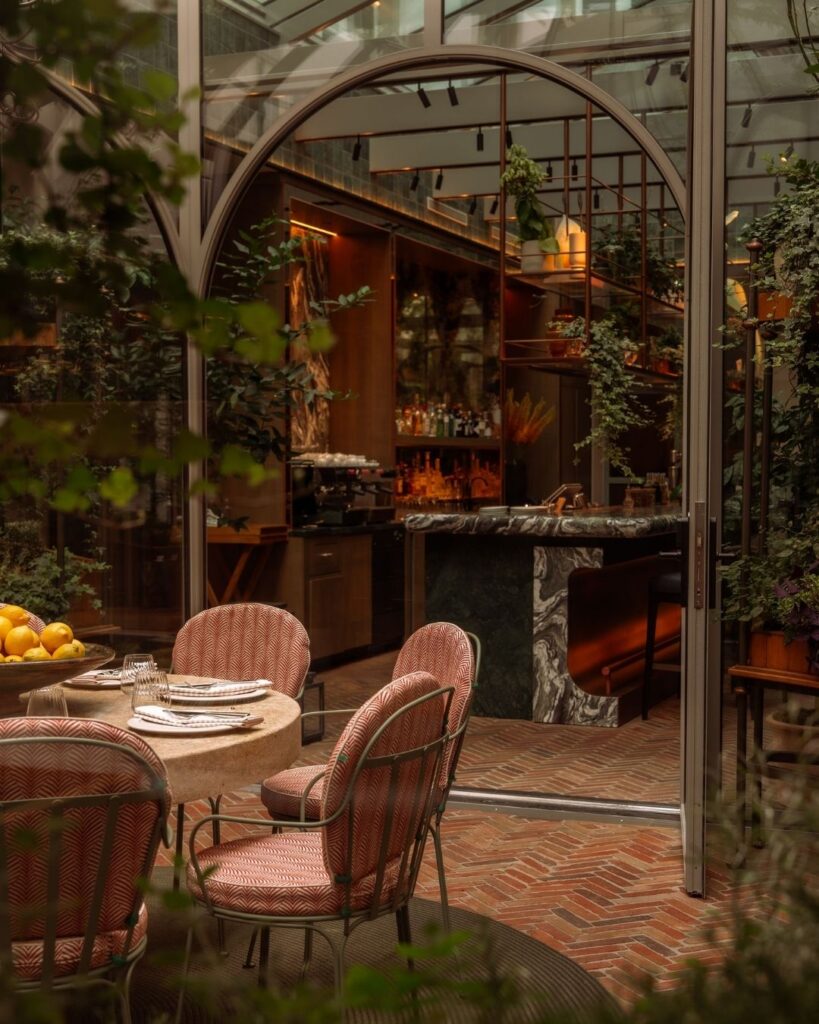
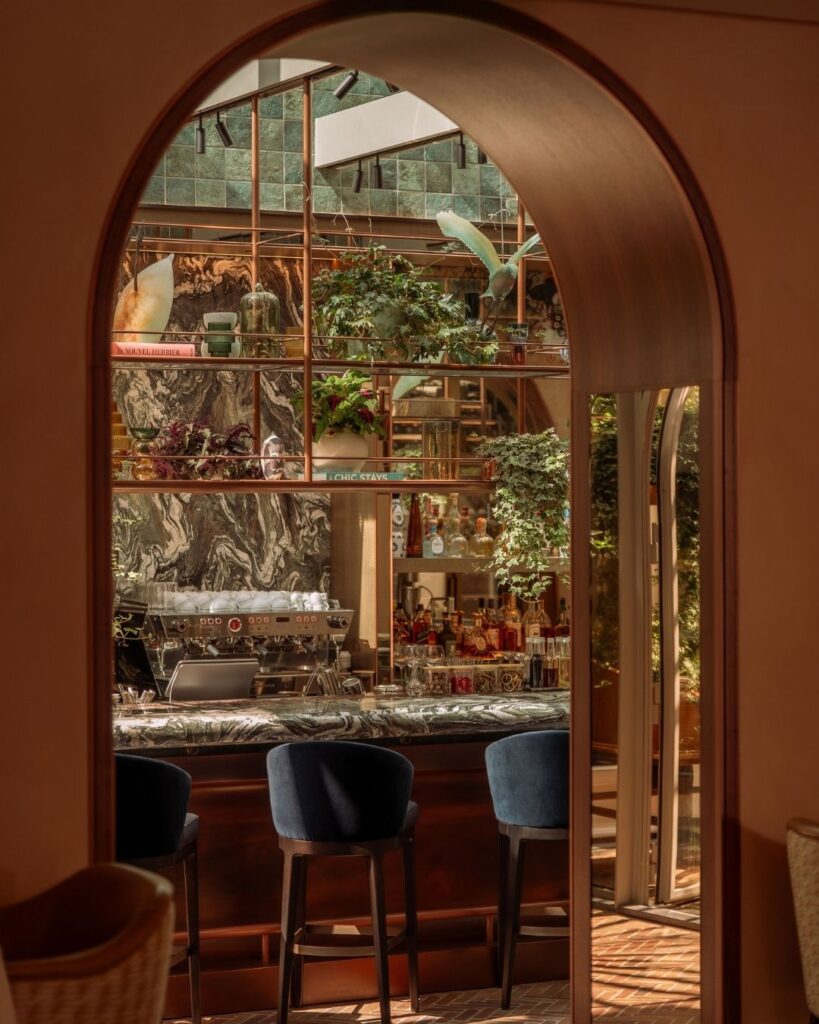
The garden serves not only as a visual retreat, but as an active extension of the property’s cultural identity, punctuated by playful artistic interventions and architectural details that connect above and below ground.
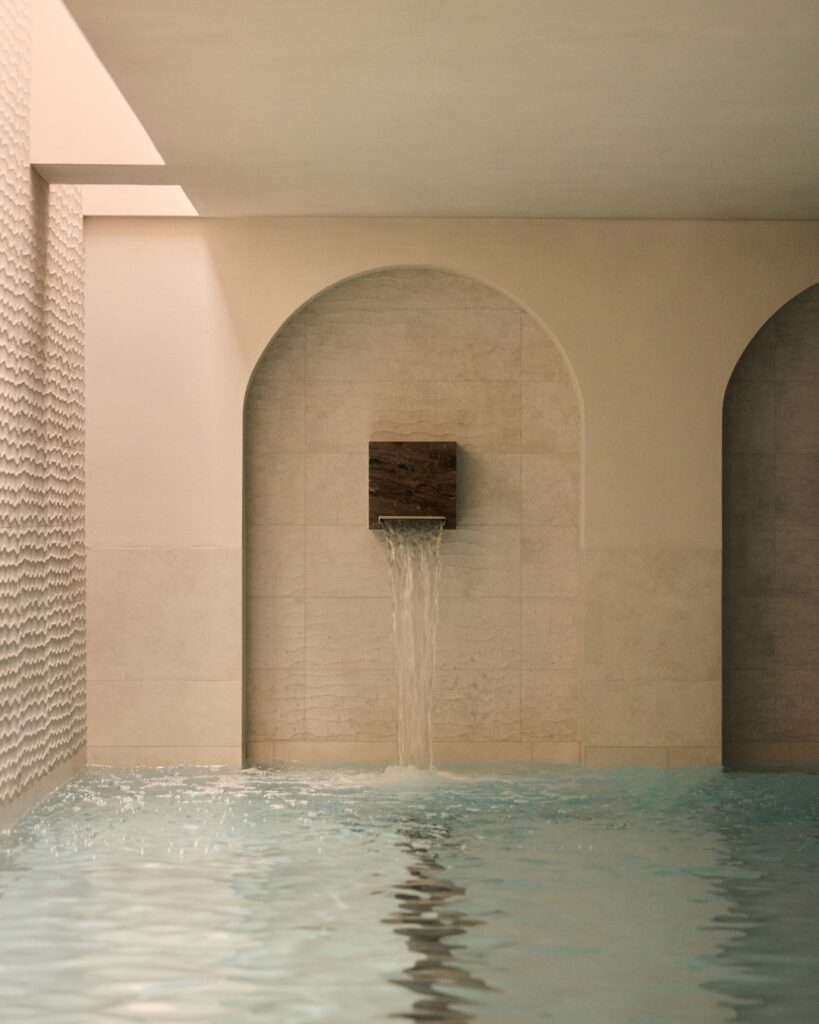
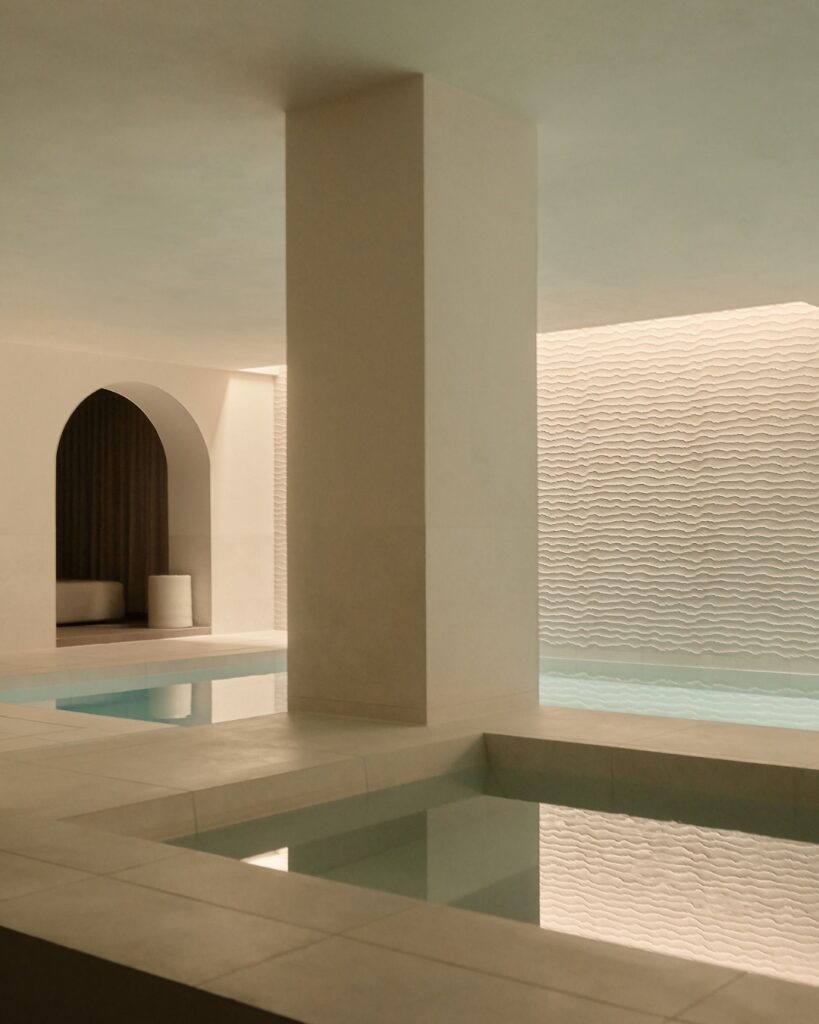
Beneath the surface, the hotel’s Asaya wellness space offers a more restorative dimension, combining spa treatments, fitness facilities, and a swimming pool within a tranquil subterranean setting. Elsewhere, the culinary program expands the property’s cultural narrative through a series of distinct venues, from refined dining to more informal social spaces.
Among the most distinctive destinations within the hotel is Advocatuur, a bar that has quickly positioned itself as both guest attraction and local gathering point. With a playful cocktail program, small plates, and an adjacent in-house distillery producing its own jenever, the venue brings a more contemporary, socially charged energy into the historic setting.
Elsewhere, former prison cells have been transformed into atmospheric tasting spaces, subtly referencing the building’s judicial past while reframing it through hospitality and experience.
What makes Rosewood Amsterdam particularly compelling is the coherence of its transformation. Rather than treating history as a static backdrop, the project embraces the building’s layered past as part of its contemporary identity.
The result is a hotel that feels less like a luxury retreat imposed upon heritage architecture and more like a carefully choreographed dialogue between Amsterdam’s past and its evolving cultural present.
More about Rosewood on:
Website
Facebook
Instagram
Photo / Video: (c) courtesy of Rosewood Amsterdam