
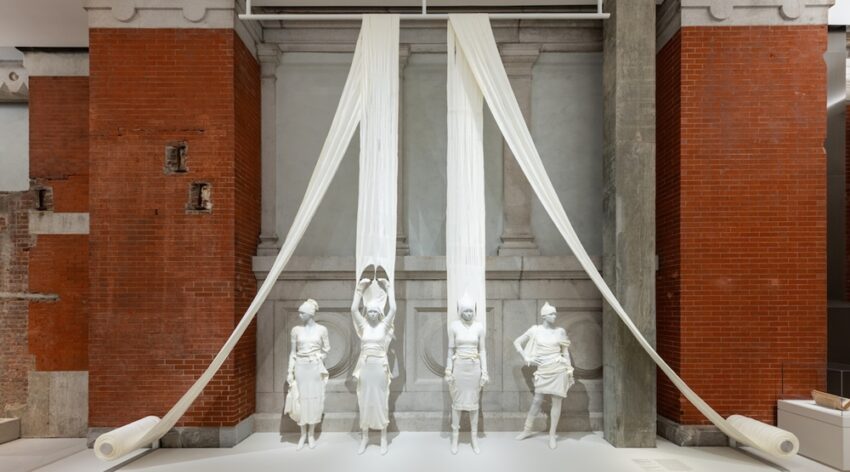
Organized by Andrew Bolton, Costume Art at The Metropolitan Museum of Art examines the evolving relationship between fashion, art, and the human body through an expansive cross-historical exhibition that positions clothing as both aesthetic artifact and cultural witness. Open through January 2027, the presentation unfolds as one of the Costume Institute’s most ambitious installations to date, bringing together more than 400 objects spanning centuries of visual culture.
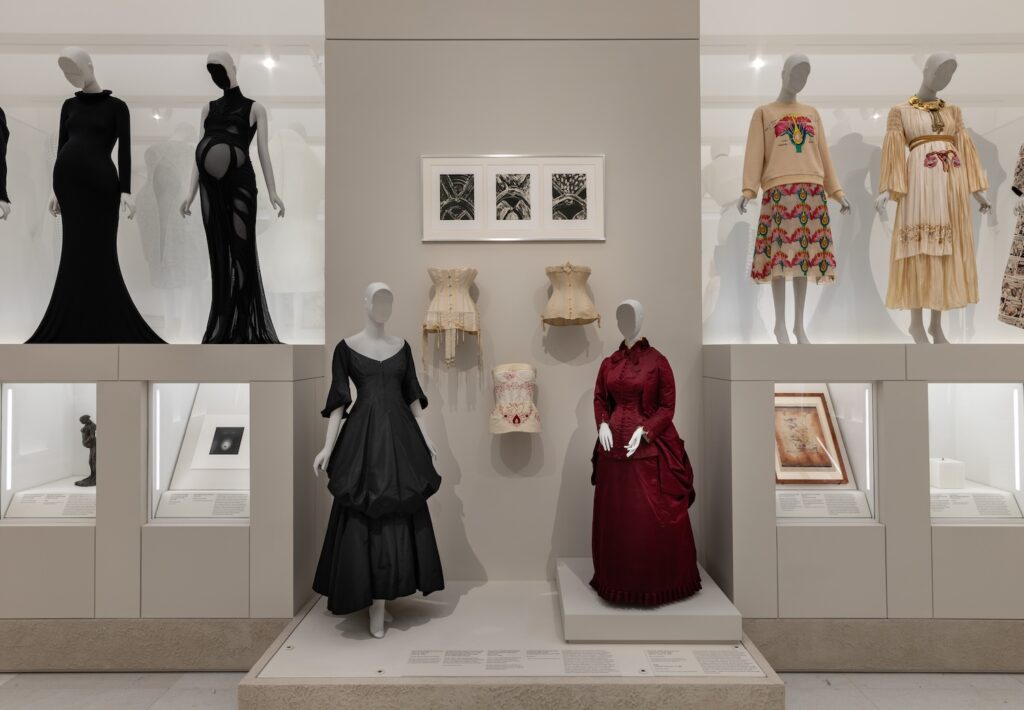
The exhibition also marks a major institutional shift for the Costume Institute, inaugurating its new permanent home within the 12,000-square-foot Condé Nast Galleries following an extensive architectural transformation led by Peterson Rich Office. Opening directly from the museum’s Great Hall, the redesigned galleries establish a spatial framework that feels both contemporary and seamlessly integrated into the museum’s architectural history. Elongated portals, warm white oak detailing, and carefully choreographed sightlines allow the exhibition to unfold as a sequence of immersive encounters rather than a conventional chronological survey.
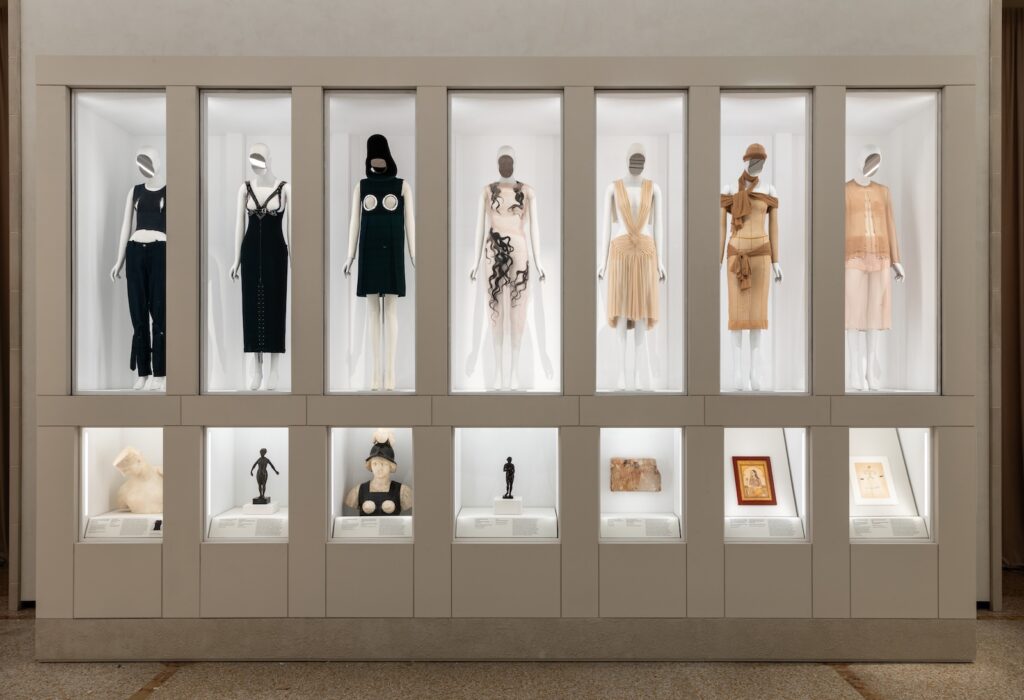
At its core, Costume Art investigates how the body has been imagined, idealized, concealed, and politicized through dress and artistic representation. The exhibition begins with explorations of nudity and the symbolic body within Western traditions, tracing narratives that move between sacred imagery, vulnerability, transgression, and desire. From there, the focus expands into the enduring influence of Greco-Roman ideals of symmetry, proportion, and physical perfection, where garments are placed in dialogue with sculpture, armor, and mythological references that continue to shape visual culture today.
Spatial design plays a crucial role in shaping this dialogue. Perforated white scrims divide the galleries into layered environments where garments appear to float above artworks, while faceless mannequins fitted with mirrored surfaces subtly insert viewers into the exhibition’s broader conversation around identity and embodiment. This gesture transforms observation into participation, encouraging a more personal confrontation with the ideals being presented.
One of the exhibition’s most compelling dimensions lies in its examination of bodies historically marginalized or excluded from traditional aesthetic narratives. Sections dedicated to pregnancy, disability, anatomy, and bodily transformation move away from inherited ideals of perfection and instead foreground vulnerability, visibility, and lived difference. In these spaces, fashion becomes less about ornamentation and more about political presence, testimony, and resistance.
Contemporary works intensify this perspective. Garments by emerging and established designers appear alongside artworks by figures such as Yayoi Kusama, Anselm Kiefer, and Andy Warhol, creating unexpected dialogues between disciplines and generations. Particularly striking are installations engaging disability and neurodivergence, where fashion becomes a vehicle for self-representation rather than conformity to inherited norms.
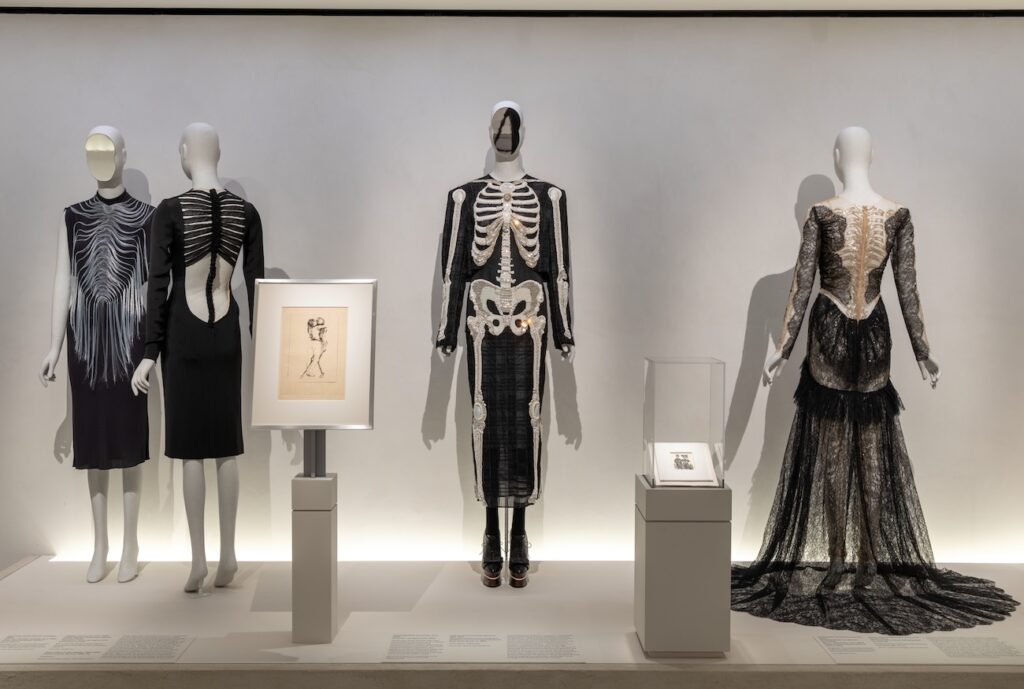
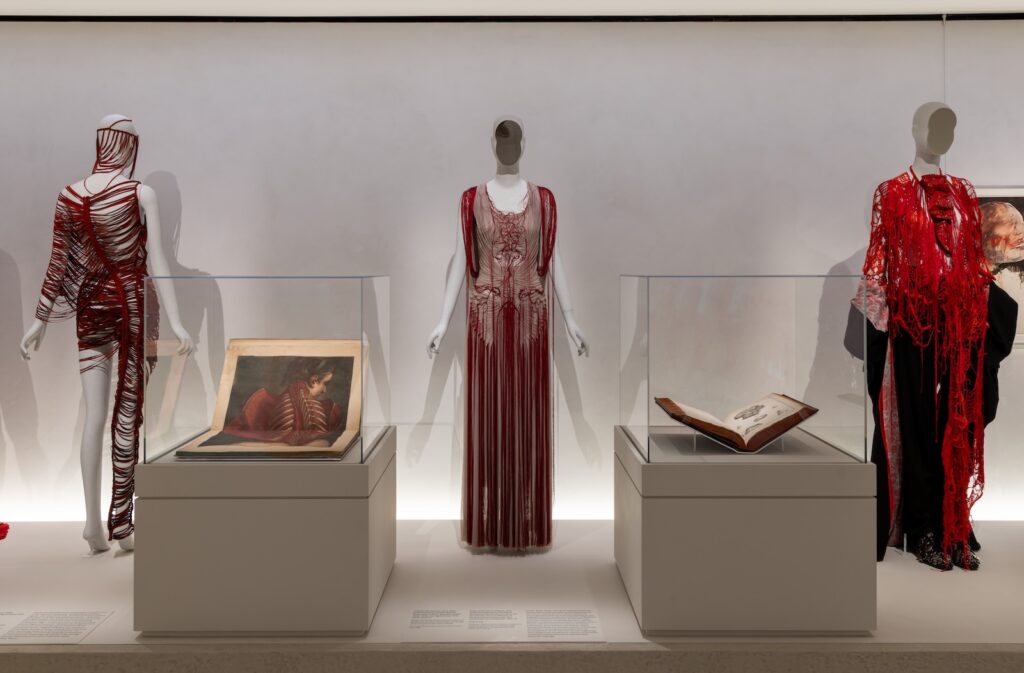
Elsewhere, the exhibition turns inward, literally, through explorations of anatomy, flesh, internal organs, and the body beneath the surface. Here, garments move beyond silhouette to engage directly with physical and emotional vulnerability, drawing connections between Renaissance anatomical inquiry, contemporary identity politics, and material experimentation in fashion design.
More than a fashion exhibition, Costume Art positions dress as a powerful cultural language through which societies project ideals, anxieties, and evolving understandings of the human condition. By placing garments and artworks from radically different eras into direct conversation, the exhibition reveals fashion not as a peripheral decorative discipline, but as a profound site of artistic, political, and bodily expression.
More about The Metropolitan Museum of Art on:
Website
Instagram
Facebook
Photo: (c) Anna-Marie Kellen
Video: (c) courtesy of The Metropolitan Museum of Art